The short version
For wet carpet drying in Houston, shut off the source, pull out standing water, and start air movement and a dehumidifier. Carpet soaked by clean water can often be saved, but after grey water the pad usually cannot, and flood water or sewage means removal. Aim to get it dry in the first 24 to 48 hours.
What should I do first when carpet gets wet?
Cut off the water, remove what is standing and get air moving across the room. Wet carpet drying in Houston goes best when it begins quickly, because the pad underneath keeps holding water long after the surface feels dry to your hand.
- Stop the water at its source. Close the shutoff valve or call a plumber to fix the leak, because nothing dries while more water keeps arriving.
- Turn off the breaker for wet rooms, but only when you can reach the panel without wading. Keep anything plugged in off the wet carpet.
- Work out what kind of water it is. The three kinds, clean supply water, appliance grey water, and sewage or flood water, are handled very differently. The table below lays it out.
- Clear furniture off the carpet. For pieces that must stay, slip foil or plastic under the legs so wood stain does not bleed into the fibers.
- Take photos of the room before cleanup, source included.
- Run fans and a dehumidifier. The EPA's advice is to get water-damaged areas and items dry in the first 24 to 48 hours, which prevents mold growth.
- Phone your insurer and a restoration provider. Ask each provider whether carpet extraction and drying is something it does, because scope varies.
When sewage or outside flood water has reached the carpet, stay off it and go to the contaminated water section below. For a failed supply line, see the burst pipe page; the wider process is on water removal.
Can wet carpet be saved?
Often it can, provided the water was clean and the carpet dried fast. The water category decides: clean supply water can frequently dry in place, grey water usually costs you the pad, and contaminated water takes out both carpet and pad.
| Water category | Typical sources | Carpet | Pad |
|---|---|---|---|
| Category 1, clean | Broken supply line, burst pipe, overflowing tub | Frequently dried where it lies when work begins promptly | Can be dried, or replaced if it remains wet |
| Category 2, grey | Washing machine, dishwasher, toilet overflow with no waste in it | Can often be cleaned and dried | Usually taken out |
| Category 3, severe contamination | Sewage, flood water from rivers or creeks, surface water from outside | Removed and replaced | Removed and replaced |
The IICRC S500 standard defines these three categories, and the water damage glossary explains each in plain terms. Water left sitting can end up more contaminated than it started, so speed counts as well.
Should the pad be saved or thrown out?
In most cases, replace it. Pad is dense foam or fiber that absorbs water the way a sponge does and gives it up slowly. The carpet fibers above dry sooner and can be cleaned, yet it is the soggy pad that starts the odor and the mold.
A provider may peel back one corner of the carpet, remove the pad, and dry the carpet and the floor on their own. New pad then goes under the carpet when it is laid back. Glued-down carpet or backing that is separating makes replacement more likely.
Is a shop vac enough to extract wet carpet?
For a small spill, a wet vac is a fair first step. For anything larger, no. A wet vac skims the surface, while professional extraction equipment pulls far more water out of dense fiber and pad than a household unit can.
After extraction, airflow and a dehumidifier are still needed to remove what remains. A household vacuum should never go near wet carpet, because water and electricity are a dangerous mix. Drying equipment follows extraction, as structural drying describes.

What is the best way to dry wet carpet?
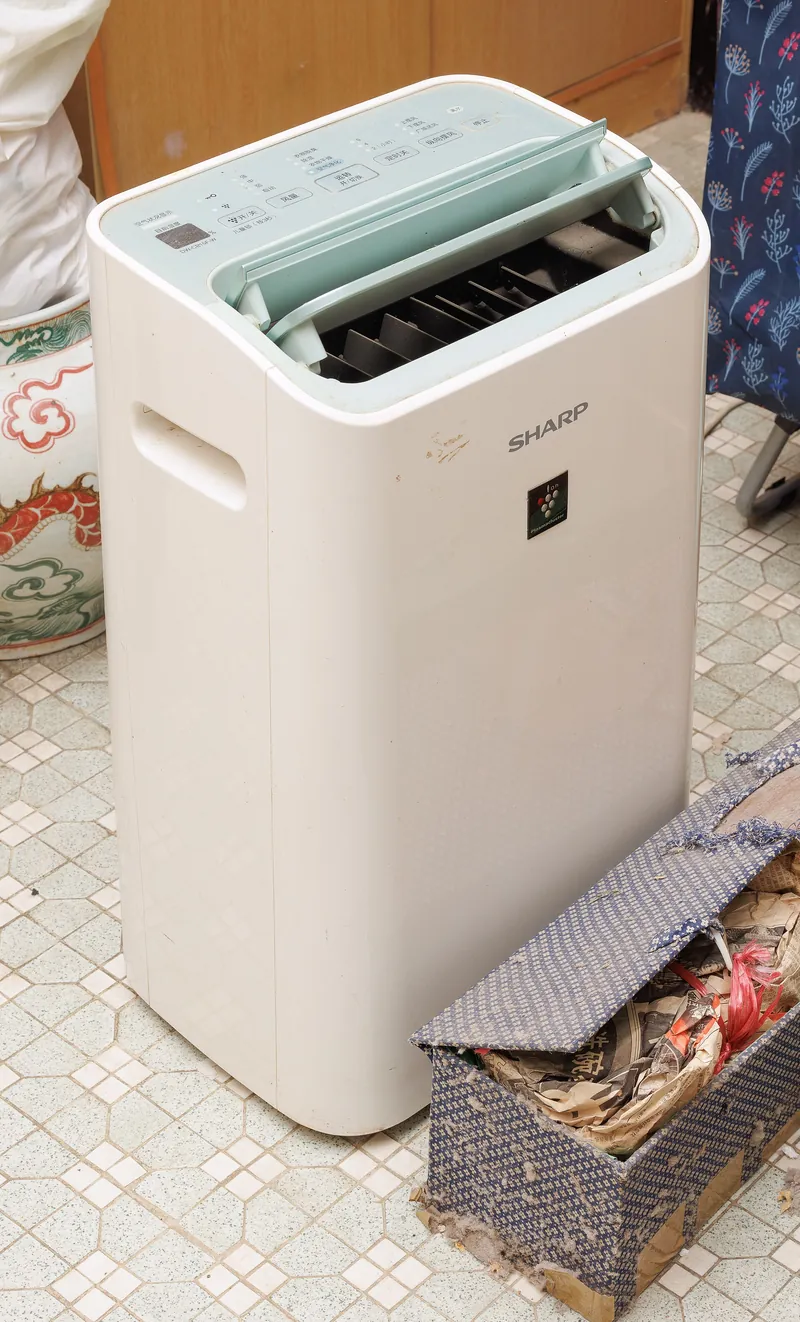
Pull the water out first, then dry the room with moving air. With clean water that normally involves removing standing water, lifting a corner or removing the pad, running air movers over the carpet, and operating a dehumidifier. A small damp patch may only need fans and ventilation.
- Air movers push air across the carpet and under a lifted corner.
- Dehumidifiers pull moisture from the air. The EPA's guidance is to hold indoor humidity under 60 percent, ideally 30 to 50 percent.
- Moisture readings taken at the carpet, pad and floor tell you when drying is finished. Touch cannot be trusted.
The moisture meter readings page explains what providers record. Keep foot traffic off damp carpet and never apply heat to it.
What about the tack strip and the floor under the carpet?
The strips along the walls and the floor under the pad can stay wet after the carpet itself dries. Tack strip is wood, and wood absorbs water. If it stays damp it can stain, swell or grow mold along the edge of the room.
Once the pad is out, the floor underneath can be checked and dried directly. If your home sits on a concrete slab, the slab may hold moisture for a while, and a new pad over a damp slab can trap water again. Ask the provider how they confirm the floor is dry before carpet goes back down.
Carpet that keeps coming up damp with no spill above may be getting water from below. See slab leak water damage for the warning signs.
Why does wet carpet smell, and does the smell go away?
The odor comes from moisture caught in the pad and backing, which gives bacteria and mold something to feed on. When carpet dries thoroughly and fast, the smell generally fades. If it comes back after the carpet feels dry, something below is still wet.
A musty odor that returns on muggy days points to a damp pad or floor rather than the carpet surface. Fragrance sprays and cleaners only mask it, and the EPA says not to paint or caulk moldy surfaces. The water damage smell page explains how to find the source.
How fast can mold grow in wet carpet?
Fast. The first day or two is what counts. The EPA says water-damaged areas and items should be dry in the first 24 to 48 hours to prevent mold growth. For flood situations, the CDC says to remove carpets that soaked through and cannot be dried right away.
According to the CDC, mold exposure can cause a stuffy nose, sore throat, coughing, wheezing, burning eyes and skin rash. People with asthma or mold allergy can have severe reactions, so treat carpet that stayed wet and smells musty as a mold risk. The mold after water damage guide goes into detail.
What if flood water or sewage soaked the carpet?
Take it out. Carpet and pad that sewage or flood water reached cannot be cleaned to a safe level. For this kind of loss the EPA advises bringing in a professional who has dealt with contaminated-water damage, and wearing boots and gloves until the work is done.
Under the IICRC S500, rising flood water from rivers and creeks counts as Category 3. The National Hurricane Center reports that at least 160,000 structures flooded in Harris and Galveston counties during Hurricane Harvey. In a slab house, sewage usually surfaces at the lowest drain, so carpet near a tub or floor drain is at risk first.
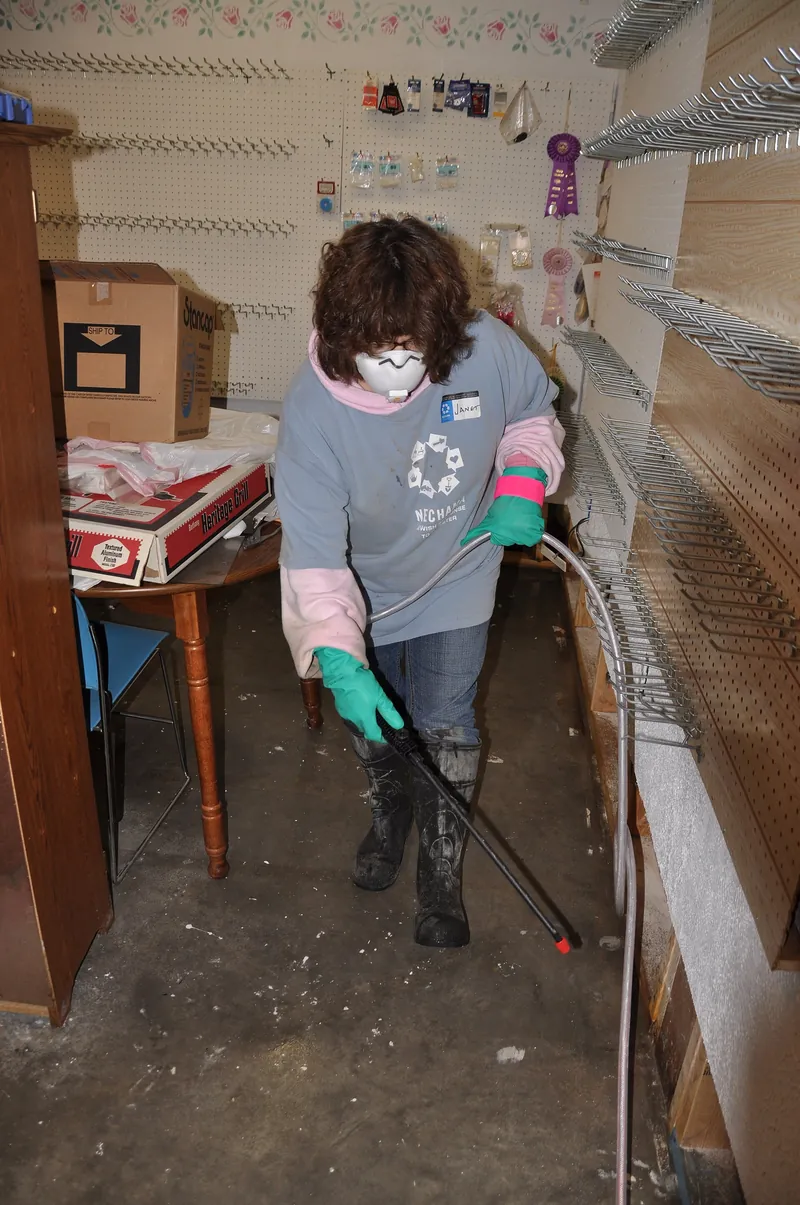

Read the flood cleanup and sewage backup cleanup pages for the process. Flood damage is excluded from standard homeowners policies, as covered in the insurance claims guide.
How long does wet carpet take to dry?
There is no fixed number, because it depends on the water, the pad, the airflow and the humidity in the room. The EPA target is to have water-damaged areas and items dry in the first 24 to 48 hours. A provider tracks moisture readings and keeps equipment running until they return to normal.
Carpet that is extracted and has air moving across it dries faster than carpet left alone. Heavy furniture, closed doors and a pad left in place all slow it down. A dehumidifier does more than open windows when the air outside is already damp.
If the carpet is still damp after the first couple of days, tell the provider or your insurer rather than waiting. Damp carpet that lingers is the situation the EPA warns about.
What if my carpet is glued down or tacked over concrete?
Glued or tacked carpet over concrete is harder to dry in place, because the adhesive and the slab trap moisture against the backing. The carpet often has to be cut into sections and pulled up so the slab and the underside can dry.
A provider may remove a strip along one wall first to see what is underneath. Old adhesive and tack strip can be removed once the slab is dry. If the carpet is old or the backing is crumbling, replacement can be more practical than drying.
Ask whether the work includes pulling and disposing of the pad, tack strip and adhesive, and whether reinstalling the carpet is included. Providers differ, and a restoration provider may hand reinstallation to a flooring installer. The water-damaged floor repair page covers what happens to the floor under the carpet.
How much does wet carpet damage repair cost?
Fixr's national figure for carpeting restoration is $4.75 to $10.50 per square foot. That covers restoring the material, not replacing an entire room. The final cost swings with the type of water, the size of the area, and whether the pad or floor is also involved.
Providers set their own prices and nothing here is a quote, so get a written, itemized estimate from any provider and confirm exactly what it includes. Triple-I recommends bids in writing that itemize materials and prices. The restoration cost page shows how a full bill adds up.
Does homeowners insurance pay for wet carpet in Texas?
It depends on the cause. Sudden events such as a burst pipe are often covered. Triple-I says flood is excluded under standard homeowners policies, and policies will not cover damage from lack of maintenance, so a slow leak may be refused.
Triple-I advises photographing the damage, saving receipts and keeping damaged items until the adjuster visits. The Texas Department of Insurance says a company has 15 business days to acknowledge a claim, and must say in writing if it rejects one. The NAIC notes policies often exclude mold.
When is it fine to handle wet carpet myself?
A small spill of clean water that you catch immediately is manageable yourself. Wet vac it, set fans and a dehumidifier on the spot, and take a moisture reading to confirm the carpet and pad are fully dry before you stop.
Bring in a provider when the water is grey or contaminated, more than one room is wet, the carpet has been damp for a while, or a musty smell has set in. When in doubt, get moisture readings before deciding. In every case, keep your photos and receipts in case you file a claim.
Sources: IICRC S500 standard; EPA mold and moisture guide; EPA mold cleanup in your home; CDC, About Mold and Your Health; NHC Hurricane Harvey report; Fixr, Water Damage Restoration Cost; Triple-I, Which disasters are covered; Triple-I, Settling claims; TDI, Getting your claim paid; NAIC, Homeowners Insurance.