The short version
A slab leak in Houston is a break in a water line under the concrete foundation. Signs are a warm floor spot, running-water sound, a higher bill and a meter that moves with everything off. Shut the water off, call a plumber to find the leak, then have wet flooring and walls dried to avoid mold.
What are the signs of a slab leak in a Houston house?
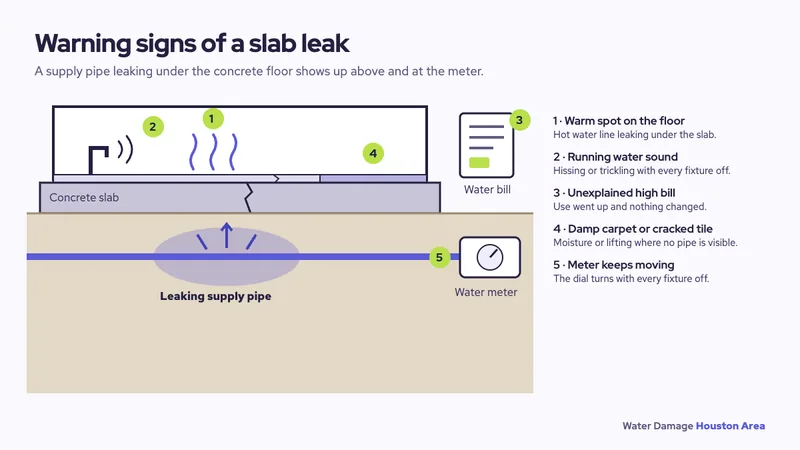
A slab leak is a leak in a water line that runs under or through the concrete foundation. Because you cannot see the pipe, you notice the effects: a warm spot on the floor, the sound of running water, a jump in the water bill, or damp flooring.
Many Houston-area homes are built on a slab, so this is a leak worth knowing how to spot. Any one sign can have another cause. Two or three together point toward the slab.
| Sign | What you notice | Other things it can be |
|---|---|---|
| Warm floor spot | One patch of tile or wood feels warm, even with the heat off | Sun through a window, a nearby heat vent |
| Running-water sound | A hiss or trickle when every tap and appliance is off | A running toilet, a failing valve |
| Higher water bill | Use climbs with no change in the household | Irrigation, a toilet flapper, a new habit |
| Damp or lifting flooring | Wet carpet edges, buckled planks, loose tile, a musty smell | A plumbing leak elsewhere, an appliance, a roof leak |
| Moving water meter | The dial turns with every fixture off | A leak anywhere on the property, including a sprinkler line |
How do I check my water meter for a slab leak?
Turn off every tap and appliance that uses water, then look at your meter. If the dial or the small leak indicator keeps moving, water is going somewhere. That points to a leak between the meter and the house, or inside it.
This test does not say where the leak is. It tells you whether to call a plumber now.
- Stop all water use. Check that the dishwasher, washer, ice maker and irrigation are not running, and that nobody flushes a toilet.
- Find the meter box near the street and read the dial. Note the number, or take a photo.
- Wait, then read it again. A change with everything off means a leak.
- Close the house shutoff valve and look again. If the meter stops, the leak is inside the house lines. If it keeps moving, the leak is on the line between the meter and the house.
- Check the toilets and the water heater before you call. A running toilet is a common false alarm.
The EPA says the average household's leaks waste more than 9,300 gallons of water a year, and about nine percent of homes have leaks that waste 50 gallons or more per day. A slow slab leak can run for weeks unnoticed. See sudden vs gradual leaks for why that matters to a claim.
What should I do first if I think I have a slab leak?
Shut off the water at the house valve, call a plumber who does leak detection, and protect the floors while you wait. A restoration provider handles the wet materials. The plumber handles the pipe. Both jobs need to happen, in that order.
- Close the main shutoff to the house. If you do not know where it is, look in the garage, a utility closet or the meter box.
- Move rugs, boxes and furniture off any damp area, and lift what you can onto blocks.
- Photograph the wet spots, the meter reading and the bill before anything changes.
- Call a plumber and say the meter moves with everything off.
- Call your insurer early. Triple-I advises taking reasonable steps to protect the property, and holding off on major permanent repairs until the adjuster has assessed the damage.
- Ask for a restoration provider if flooring or walls are already wet. The water mitigation page explains that work.
If the water is shut off and the floor is still wet, the damp materials need drying even though the source is stopped. The signs of water damage guide lists what else to look for around the house.
Who finds and fixes a slab leak?
A plumber finds and repairs the pipe. Leak detection is a plumbing task, often done with listening equipment or pressure tests that narrow the break to one spot. A restoration provider does not repair pipes. The provider dries and repairs what the water touched.
The two trades are separate, so the order matters.
- Plumber: confirms the leak, locates it, and repairs or replaces the line.
- Restoration provider: removes standing water and wet materials, dries the structure, and logs moisture readings.
- Flooring or drywall contractor: rebuilds once the slab and walls are dry.
- Your insurer: decides what the policy covers, after an adjuster looks at the damage.
Methods and availability differ between plumbers and between restoration providers, so confirm directly what each one does. This site is a referral service. It connects you with independent providers and does not do the work itself. The guide to choosing a restoration company has questions to ask.
Is a spot repair or a reroute better for a slab leak?
It depends on the pipe and how many leaks it has had. A spot repair opens the slab or floor at one point and fixes that section. A reroute abandons the leaking line under the slab and runs a new one through walls or the attic. The plumber has to recommend one after testing.
| Option | What happens | Points to weigh |
|---|---|---|
| Spot repair | The slab or floor is opened above the leak and that section of pipe is fixed | Smaller job when one leak is found. Other weak spots on the same line stay in place |
| Reroute | A new line is run outside the slab, often through walls or the attic, and the old line is capped | Avoids more cutting of the slab. Opens walls, so there is more patching and painting |
Do not accept a price over the phone without a diagnosis. Ask each plumber for a written scope, and ask what happens to the floor finish afterward. Prices vary by house and provider, so this site does not quote one. If your home has older galvanized lines, read galvanized pipe leaks before you decide.
What damage does a slab leak do to floors and walls?
Water from a slab leak comes up through the concrete and the joints at its edges. It wets the underside of flooring first, then the bottom of the walls. The damage is often hidden for a while, which is why it can be larger than the stain suggests.

- Carpet and pad: wicks water and holds it. The pad is usually replaced. See wet carpet drying.
- Hardwood and laminate: cups, buckles and gaps open. Planks over a wet slab are hard to dry in place. See water-damaged floor repair.
- Tile: can crack or loosen when the bedding below stays wet.
- Baseboards and drywall: wick water upward from the bottom edge, and often need the lower section cut out.
- Cabinets: particleboard bases swell and rarely recover.
Your restoration provider should check moisture in the slab, the flooring and the lower wall, and explain what readings mean. The moisture meter readings guide covers that.
How is a slab dried after a leak?
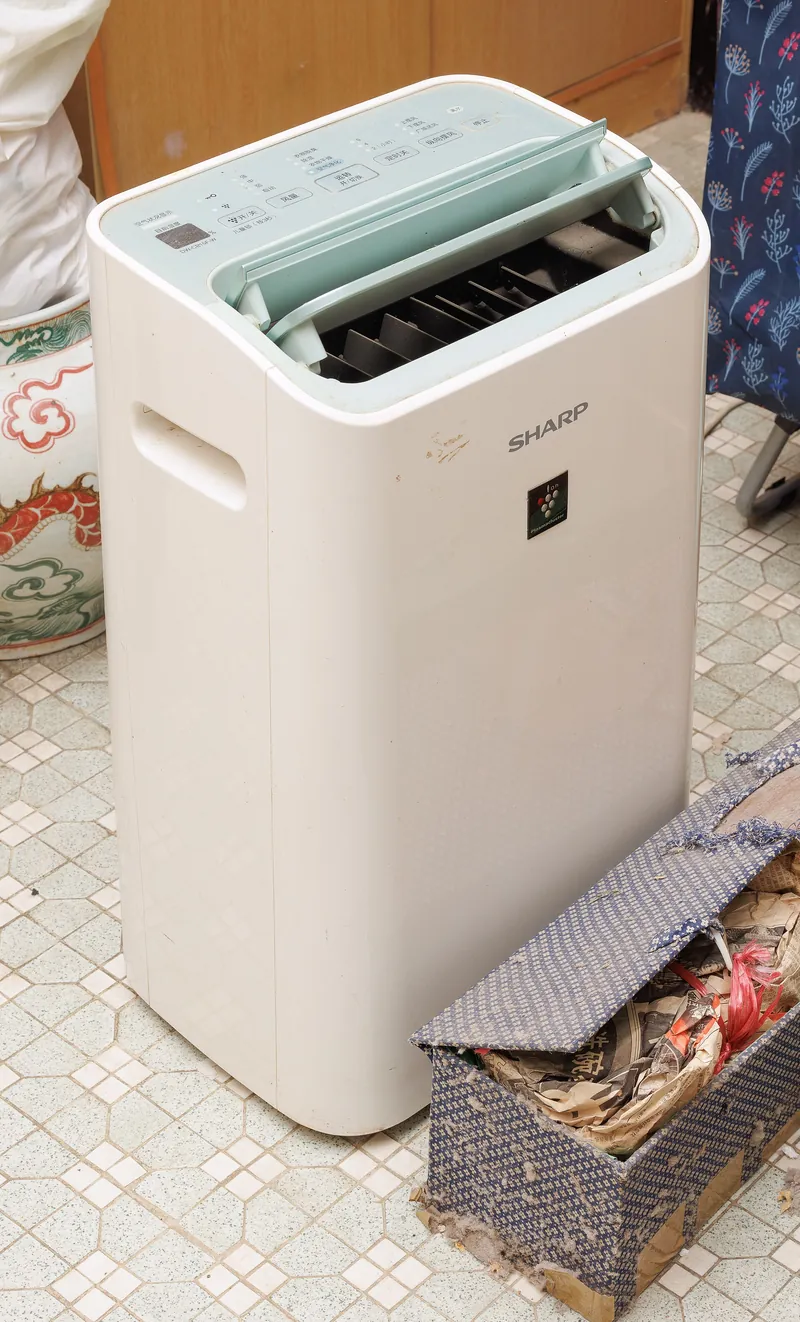
Drying starts once the plumber has stopped the leak. The provider removes wet flooring and pad, opens the lower wall if needed, and runs air movers and dehumidifiers. Concrete holds water and dries slowly, so readings are taken over several visits until they match dry reference points.

A slab may look dry on top while it still holds moisture below. Covering it with new flooring too early can trap that moisture. Ask the provider for a written moisture log, and do not let a flooring contractor start until the readings are in range.
The structural drying page describes the equipment and the monitoring in more detail.
Can mold grow under flooring after a slab leak?
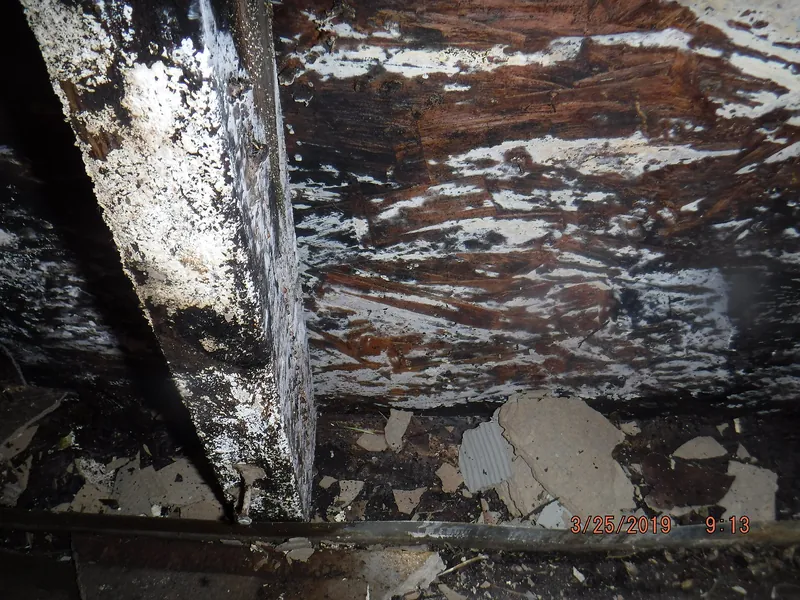
Yes, if the materials stay wet. The EPA says that if wet or damp materials are dried within 24 to 48 hours after a leak, in most cases mold will not grow. A slab leak is often found later than that, so mold risk under carpet, pad and baseboards is real.
The EPA lists the underside of carpets and pads, and the back of drywall, among the places mold can hide.
- Smell: a musty odor near a floor or wall with no visible mold.
- Humidity: the EPA advises keeping indoor humidity below 60 percent, ideally between 30 and 50 percent.
- Size: the EPA says that if the moldy area is under about 10 square feet, most people can handle it themselves. Hidden mold or larger areas need a professional.
- Never paint or caulk over mold, as the EPA advises.
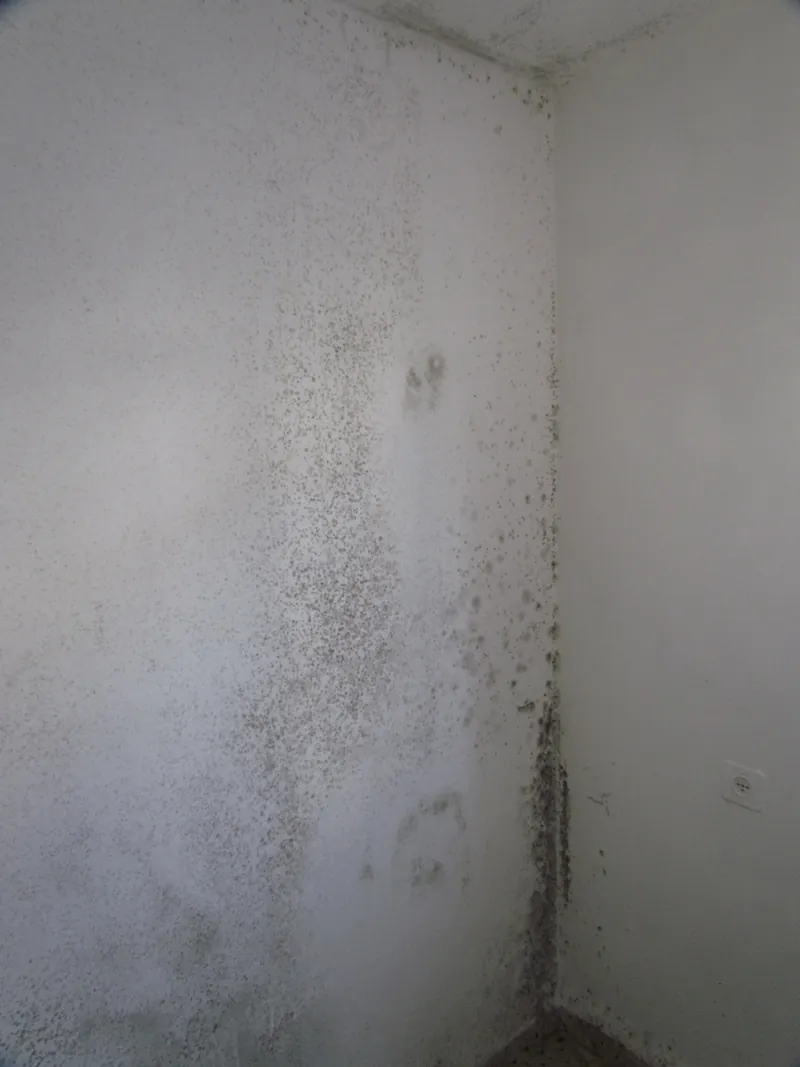

Read the full mold after water damage guide for when testing and removal make sense.
Does homeowners insurance cover a slab leak?
Often it covers the water damage, but not always the pipe, and policies differ. The NAIC says water damage from a home's plumbing is typically covered. Triple-I lists accidental discharge or overflow of water from plumbing as a named peril on standard forms. Maintenance problems and mold are treated differently.
Two points decide most slab-leak claims. First, whether the leak was sudden or slow. Second, what your policy says about the pipe and the access needed to reach it.
- Damage the leak caused: flooring, walls and drying are often the covered part, when the loss is accidental.
- The pipe and the tear-out: ask your insurer in writing whether the policy pays to repair the line and to open the slab or floor. Wording varies.
- Maintenance: Triple-I says policies will not cover damage due to lack of maintenance.
- Mold: the NAIC notes that homeowners policies often exclude the cost of mold damage.
Triple-I advises you to photograph the damage, save receipts, keep damaged items until the adjuster visits, and get written bids. If you disagree with the result, many policies allow an independent appraisal. Our insurance claims guide explains the process.
What does a slab leak repair and cleanup cost?
There is no honest single number. The pipe repair, the slab or wall access, the drying and the new flooring are separate jobs from separate providers. Each depends on the house. Get written estimates for each part, and ask what is included.
For scale on the water damage side, the Insurance Information Institute reports an average claim of $15,400 for water damage and freezing (2019 to 2023). That is a national claim average across all causes, not a slab-leak price. Water damage and freezing made up 22.6 percent of homeowners insurance losses in 2023, according to the same source.
- Plumbing: leak detection, the repair or reroute, and any permit.
- Mitigation: extraction, removal of wet materials, drying equipment and monitoring.
- Repairs: baseboards, drywall, paint, flooring and cabinets.
The restoration cost guide breaks down what drives the drying and repair bills.
How do I catch a slab leak early?
Read the meter now and then, and check the bill each month. Household leaks are common, according to the EPA. A quick meter check when no one is home costs nothing and is the earliest warning you will get.
- Learn where the house shutoff is and make sure it turns.
- Read the meter before a trip, and again when you get home. Any change means water was used or leaked.
- Watch the bill for a rise you cannot explain.
- Walk the floors barefoot now and then and note any warm patch.
- Check the other leak points in the house. See the water heater leak page and the burst pipe page for the usual ones.
The prevention guide covers more habits for a slab house.
Sources: EPA WaterSense, Fix a Leak Week; EPA, A Brief Guide to Mold, Moisture and Your Home; EPA, Mold Cleanup in Your Home; NAIC, Homeowners Insurance; Triple-I, Which disasters are covered by homeowners insurance?; Triple-I, Settling insurance claims after a disaster; Insurance Information Institute, Homeowners Insurance Facts.