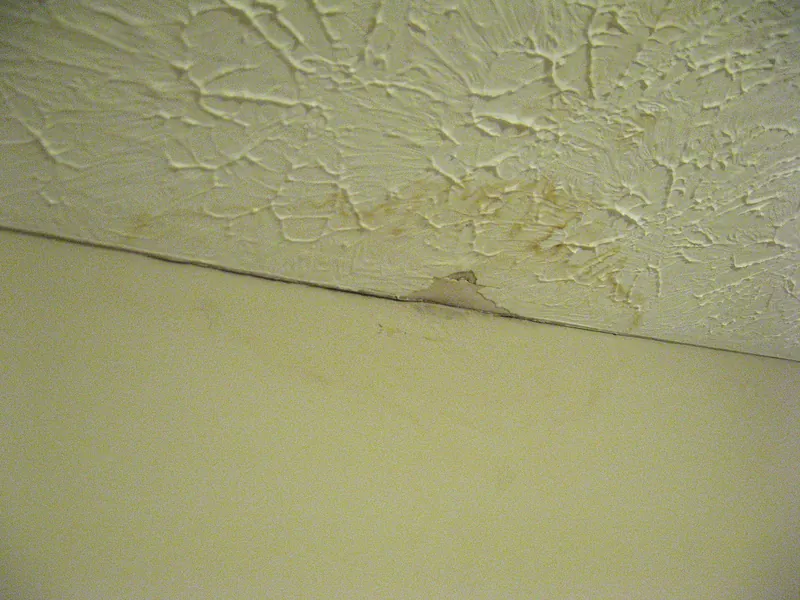
The short version
After apartment water damage in Houston, stop or report the source, put it to the landlord in writing, photograph everything and protect your belongings. Texas landlords owe flood notices on leases signed or renewed from January 1, 2022. Renters insurance pays for belongings rather than the building, and flood is excluded.
What should I do first when my Houston apartment has water damage?
Stop the water if it is yours to stop, then report it to your landlord or property manager in writing. Those two moves come before any cleanup. A renter rarely controls the pipe, the roof or the unit upstairs, and the owner cannot act on a leak nobody has reported.
- Close the small valve under the sink or behind the toilet if a supply line is the source. If water drips from a ceiling or wall, call the maintenance line and the after-hours number the building gave you.
- Put the report in writing. Text, email or use the resident portal, even if you also called. Name the room, what you saw and when, and ask for a repair.
- Photograph and film the source, the wet surfaces and your damaged belongings before anything moves.
- Lift belongings out of the water. Raise electronics, papers and soft furniture onto dry surfaces, but keep damaged items until you have documented them.
- Stay clear of outlets near water. Ask the building to shut off power to a wet area instead of testing it yourself.
The EPA advises drying water-damaged areas and items within 24 to 48 hours to prevent mold growth. Your written report starts a record of when that clock began.
Does Texas require my landlord to disclose flooding?
Yes, in most leases. Texas Property Code section 92.0135 requires a landlord to give a tenant two notices: whether the landlord knows the unit is in a 100-year floodplain, and whether it has flooded within the last five years. It applies to leases signed or renewed on or after January 1, 2022.
The law came from House Bill 531, and its enrolled text spells out what the notices say.
- Floodplain notice. The landlord states that they are or are not aware the dwelling sits in a 100-year floodplain. If neither box is checked, the notice tells you to assume it does.
- Flood history notice. The landlord states that they are or are not aware the dwelling flooded at least once in the last five years.
- What the notice tells you. FEMA's flood map can be searched by address at no cost, and most tenant insurance policies do not cover flood damage.
- An exception. The floodplain notice is not required if the dwelling's elevation was raised above 100-year floodplain levels under federal regulations.
This page reads the enrolled 2021 bill text. Statutes can be amended, so check the current wording with an attorney or the Texas Legislature before you rely on a detail.

Who pays for water damage in an apartment, condo or rental house?
The answer turns on where the water came from, what your lease or association documents say, and who caused the leak. Broadly, the building owner handles the structure while a renter handles personal belongings. Treat the table below as a rough map of usual responsibility; it is not legal advice.
| Where the water comes from | Tenant | Landlord | Condo owner or association |
|---|---|---|---|
| Roof or outer wall leak | Own belongings | Building repairs | Often the association for roof and shell |
| Pipe inside a wall | Own belongings | Pipe and wall repair | Depends on whether the pipe serves one unit or many |
| Neighbor's leak from above | Own belongings | Building repairs | The neighbor's policy may be involved |
| Overflowing AC drain line | Own belongings | Equipment and ceiling repair | Unit owner for equipment serving only the unit |
| Sewage or drain backup | Personal property, often not covered | Main drain line and building pipes | Association handles shared drain lines |
| Flood water from outside | Personal property, usually excluded | Building repairs | Master policy may not cover it |
If you caused the leak, such as an overflowing tub or a washer hose you installed, you may owe for the damage. Ask a Texas attorney or a tenant aid group about a specific dispute.
Does renters insurance cover water damage in Texas?
Expect renters insurance to cover what you own, not the building. If a burst pipe ruins your couch, laptop and clothes, the policy may reimburse those items. Walls, floors and ceilings are the owner's, and the owner's insurance deals with them, so check your own policy for limits.
On standard policy forms, the Insurance Information Institute (Triple-I) names accidental discharge or overflow from plumbing, heating, air conditioning or a household appliance as a covered peril. That same page excludes flood from standard homeowners and renters policies, and leaves sewer backup out of a typical policy as well.
That matters in Houston. The National Hurricane Center says at least 160,000 structures flooded in Harris and Galveston counties in Hurricane Harvey, and FEMA says most homeowners insurance does not cover flood damage. A renter who wants flood cover for belongings needs a separate flood policy. See the water damage insurance claims guide for how claims work.
Triple-I also says policies do not cover damage from lack of maintenance or mold.
How do condo master policies and HO-6 policies split the damage?
A condo association usually carries a master policy for the shared parts of the building, and each owner carries their own policy for the unit, often called an HO-6. Where one ends and the other begins is set by the association documents, so ask for them before a loss.
- Ask for the master policy summary. Find out whether it covers the walls and fixtures in your unit or only the shell and common areas.
- Check your own policy for the gap. Owner policies commonly fill what the master policy leaves out, such as finishes, belongings and loss assessments.
- Ask about sewer backup and flood. Neither is part of a typical policy, per Triple-I, and the master policy may not add them.
- Report to both. Tell the association and your insurer at once, in writing.
The NAIC says water damage from a home's plumbing or a roof leak is typically covered, while ground water and rain runoff are not. Your policy wording decides your case.
What if the leak comes from my neighbor's unit?
Report it to your landlord or association and stop any source you can reach, then document the damage in both units if you can. The neighbor's owner or insurer may pay for building repairs, and your own policy may pay for your belongings. Do not agree to pay anyone before you talk to your insurer.
Fault matters less than speed in the first days. Water in a wall cavity can sit unseen while two parties argue about who pays.
- Ask the building to trace the source and send you the finding in writing.
- Save every message, photo and receipt with dates.
- Ask your insurer before you accept or make any payment.
If a ceiling is bulging, see the ceiling water damage page for how to relieve it safely.
Can I end my lease after a flood in my unit?
Sometimes. Under House Bill 531, if a landlord broke the flood disclosure rules and you lose personal property worth half or more of its market value, you may end the lease by written notice no later than the 30th day after the loss. Read the exact text and talk to an attorney before you act.
The enrolled bill sets the terms.
- The loss. The repair or replacement cost must be 50 percent or more of the property's market value.
- The notice. It must be written and sent by the 30th day after the loss.
- The refund. The landlord must refund prepaid rent for the period after termination within 30 days.
This right depends on a violation of the disclosure section, not on any flood. A lease clause, a repair request or a rent dispute follows other rules. A Texas attorney or a tenant aid group can read your lease.
How do I stop mold after an apartment leak?
Dry the wet areas fast and keep air moving. The EPA says drying wet areas and items within 24 to 48 hours prevents mold growth, and it advises keeping indoor humidity below 60 percent. You cannot repair the structure, but you can report damp spots and dry your belongings.
The EPA says not to paint or caulk moldy surfaces, and to call in a professional if sewage or other contaminated water caused the damage. The CDC says people with asthma or a mold allergy may have severe reactions, so tell the landlord in writing if anyone in the unit has breathing trouble.
A slow response is the usual way a small leak turns into a mold problem. See the mold after water damage guide for what to watch for.
Should a tenant call a restoration provider directly?
Usually the landlord decides who works on the building, so a tenant should not authorize structural repairs. A tenant can ask a provider about drying belongings or about advice for the unit. Providers differ on what they offer in rentals, so confirm directly.
Ask any provider what it would do inside your unit, whether it takes moisture readings, how the work gets documented for insurance and who receives the bill. For the process itself, read water removal and structural drying; choosing a restoration company shows how to compare them. For Houston causes of leaks, see signs of water damage.
This site only refers callers. It is not a restoration contractor, and the independent providers it connects you with set their own terms.
Sources: Texas Legislature, HB 531 enrolled text (Property Code 92.0135); Triple-I, Which disasters are covered by homeowners insurance; NAIC, Homeowners Insurance; FEMA, Don't have flood insurance; NHC, Hurricane Harvey report; EPA mold and moisture guide; EPA mold cleanup; CDC, About Mold and Your Health.