The short version
Water removal in Houston is the pumping and extraction of standing water that has to happen before drying can begin. A small clean spill on a hard floor suits a wet vac. Water in carpet pad, under hardwood or inside a wall calls for pumps, extractors and dehumidifiers until the materials read dry.
What is water removal, and how is it different from water extraction?
Water removal is the first stage of drying a wet house: pumping or extracting the bulk water so equipment can handle the rest. Water extraction is the same job described by its method. In Houston, water removal covers burst pipes and appliance leaks as well as storm water that has come inside.
Removal comes before drying equipment because liquid water is far easier to pull out with a pump or extractor than to evaporate. It is also the part that cannot wait. The EPA advises drying water-damaged areas and items within 24 to 48 hours to prevent mold growth.
Removal is one piece of the larger job described on the water mitigation page. If water is still coming in, start with the emergency water damage page.
When does water need professional removal instead of a wet vac?
A wet vac and towels are enough for a small clean spill on a hard floor that you caught at once. Water that reached carpet and pad, ran under cabinets, or touched a wall or ceiling needs extraction equipment and moisture meters. The table is a rough guide, not a diagnosis.
| Reasonable to handle on your own | Calls for extraction equipment |
|---|---|
| Clean water spilled over tile, sealed concrete or vinyl | Water that reached carpet and pad |
| A single small room, noticed quickly | Several rooms, or water that sat overnight |
| A thin film, easy to reach and mop | Standing water in a garage, closet or hallway |
| You can see where all of the water went | Water ran under walls, cabinets or hardwood |
| The source was a clean supply line | Sewage, storm water or water of unknown source |
If the water came from outside or from a sewer line, it is not a do-it-yourself job. The IICRC S500 standard places sewage and rising flood water from rivers and streams in Category 3, the grossly contaminated class.
What equipment is used to remove water?
Providers use submersible pumps for deep water, extractors for carpet and pad, and drying equipment after the standing water is removed. The right tools depend on how much water there is and what it soaked into, and a provider picks them after checking the area with a meter.
- Submersible pumps for rooms and garages with a couple of inches or more of standing water.
- Portable or truck-mounted extractors that pull water from carpet and pad with strong suction.
- Weighted extraction tools that press water out of carpet and pad as they move.
- Floor drying mats that pull moisture up through hardwood before boards cup.
- Dehumidifiers and air movers, which take over once most of the water has been removed and dry whatever remains in the materials.
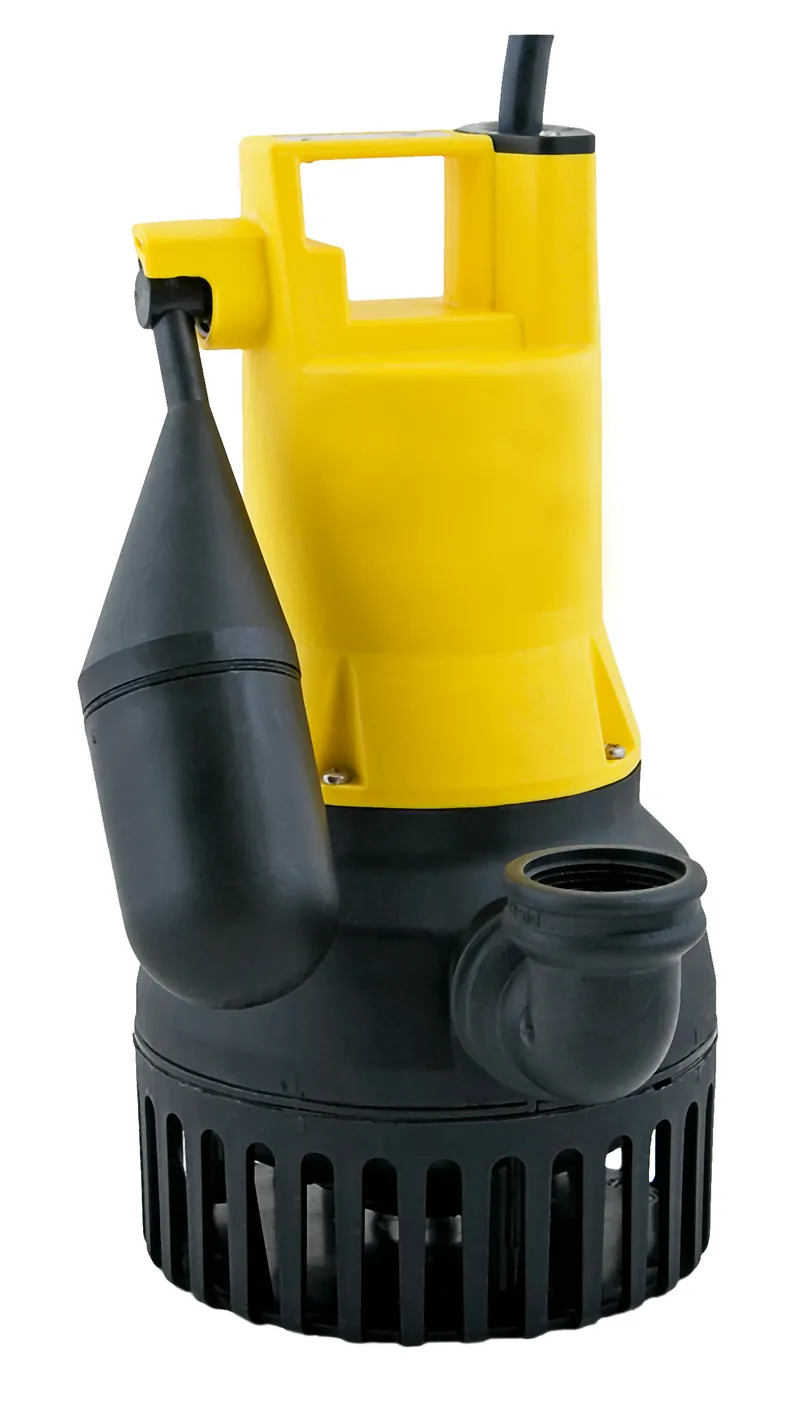

Pulling water out is the least expensive part of drying. Water taken out with a pump or wand never has to be dried by the equipment, which would otherwise draw it from the air over the next several days.
How is standing water removed safely?
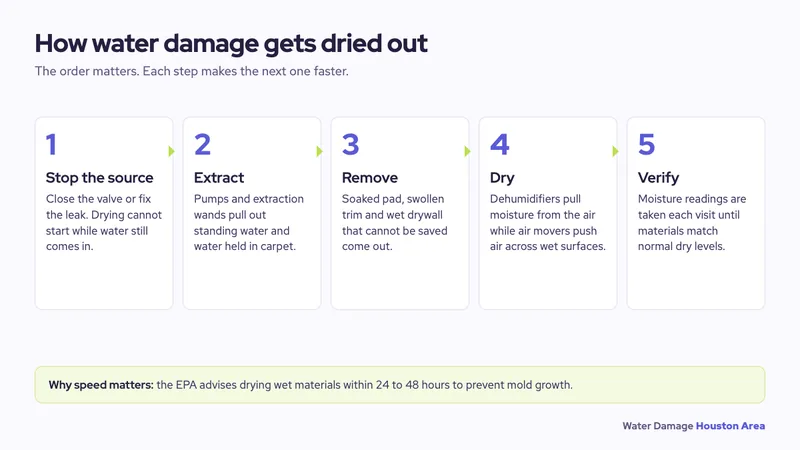
Safe removal begins with power and the source: the wet area is switched off, the leak is stopped and the water category is identified. Deep water is then pumped, the rest is extracted from floors and carpet, and soaked materials are lifted out. Equipment for drying comes last.
- Make it safe. The breakers feeding the wet area go off, preferably flipped by someone on dry ground.
- Stop the source. A plumber or a valve closes the leak, or the flood water stops rising.
- Pump deep water. A submersible pump handles several inches of water in a room or garage.
- Extract what remains. Wands and weighted tools draw water from carpet, pad and hard flooring.
- Take out what holds water. Soaked pad, insulation and swollen baseboards are removed so the structure can dry.
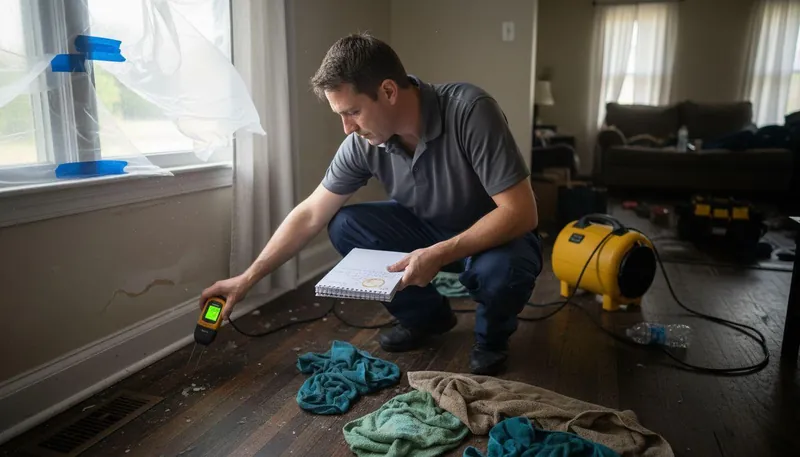
- Place drying equipment and log readings. The provider writes down moisture levels so each visit can be compared with the last.
In a slab house, water spreads across the floor and wicks into walls rather than draining down. Extraction usually focuses on the floor surface, the pad and the base of the walls.
Can wet carpet, pad and hardwood be saved?
Often, if the water was clean and extraction starts quickly. Carpet can be dried in place after a clean-water leak, but the pad underneath holds water like a sponge and is usually replaced. Hardwood and laminate depend on how long they stayed wet.
Hardwood cups when it takes on water from underneath. With early action, drying mats and dehumidifiers can flatten many floors again. Left too long, boards crown or split, and a cupped floor should not be sanded until it is fully dry.
Laminate and vinyl plank tend to hold water underneath them. A few planks can be pulled up and laid down again, but laminate with a swollen fiberboard core will not recover.
If carpet or upholstery was soaked by flood water and cannot be dried right away, the CDC advises removing it. The wet carpet drying guide and the water-damaged floor repair guide go deeper.
What about water in the attic, walls and garage?
Water in an attic or a wall cavity cannot be reached with a wand, so removal means finding the source, removing wet insulation or drywall, and drying what is left. Houston homes often have air handlers or water heaters in the attic, and a failure there can show up first as a ceiling stain.
Garages are a second place to check. A water heater or washer in a garage can leak onto a slab and run toward the house.
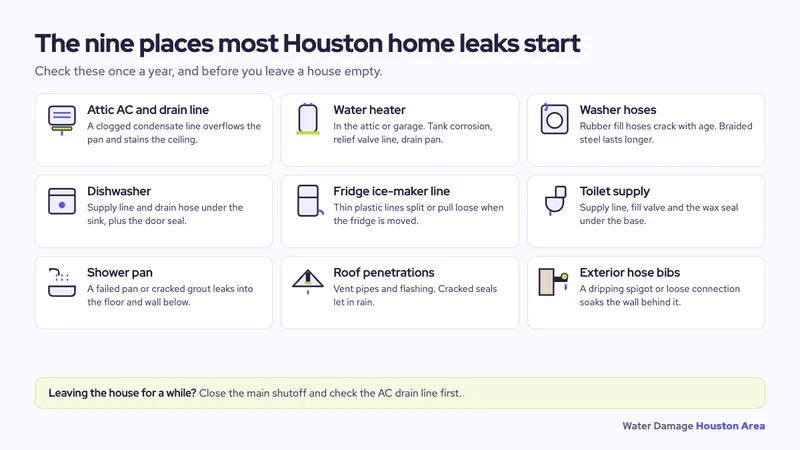
Typical causes have their own guides: AC leaks, water heater leaks and ceiling water damage. A bulging ceiling should be drained carefully, and the ceiling guide explains how.
How long does water removal take?
Pumping and extraction are usually the first visit, and the time depends on how much water there is and how many rooms are wet. Drying afterward takes longer and depends on the materials. Providers differ, so ask for an estimate for your house rather than relying on a general figure.
The EPA advises drying wet areas and items within 24 to 48 hours to prevent mold, which is why extraction comes first. Clean-water jobs commonly need a few days of equipment, while plaster walls, thick subfloors and hardwood can take longer.
Leaving equipment running is part of the work. Turning dehumidifiers off at night because of the noise slows the whole job.
How much does water extraction cost per square foot?
Fixr reports national extraction costs by water type, per square foot, in its price guide updated January 31, 2025. Those are national averages, not Houston quotes. Your provider sets its own price, so treat these as a way to check that an estimate is in a sensible range.
| Water type | Typical source | Extraction per sq ft (Fixr) |
|---|---|---|
| Clean | Supply line, burst pipe | $3.75 to $4.25 |
| Gray | Washer, dishwasher | $4.10 to $6.50 |
| Black | Sewage, rising flood water | $7 to $7.50 |
Fixr also lists a national overall range of $1,200 to $5,000 for water damage restoration, with an average of $3,000. The cost guide shows how those pieces fit together.
Should you rent a dehumidifier or hire professional drying?
A rented or household dehumidifier is fine for finishing a minor spill of clean water that was mopped up already. It cannot draw water from the pad under carpet, wall cavities or subfloors quickly enough to meet the EPA's 24 to 48 hour window. Anything soaked needs extraction first, then drying equipment.
| Rented or household dehumidifier | Professional drying | |
|---|---|---|
| Suited to | A small room where the surface water is already gone | Soaked carpet, walls, subfloors and storm water |
| Extraction | None, so use a wet vac before anything else | Pumps and extractors remove the bulk water at the start |
| Moisture tracking | Largely guesswork without your own meter | Recorded meter readings every visit |
| Claim documents | Photos and receipts you keep yourself | Drying logs and equipment lists you can attach to a claim |
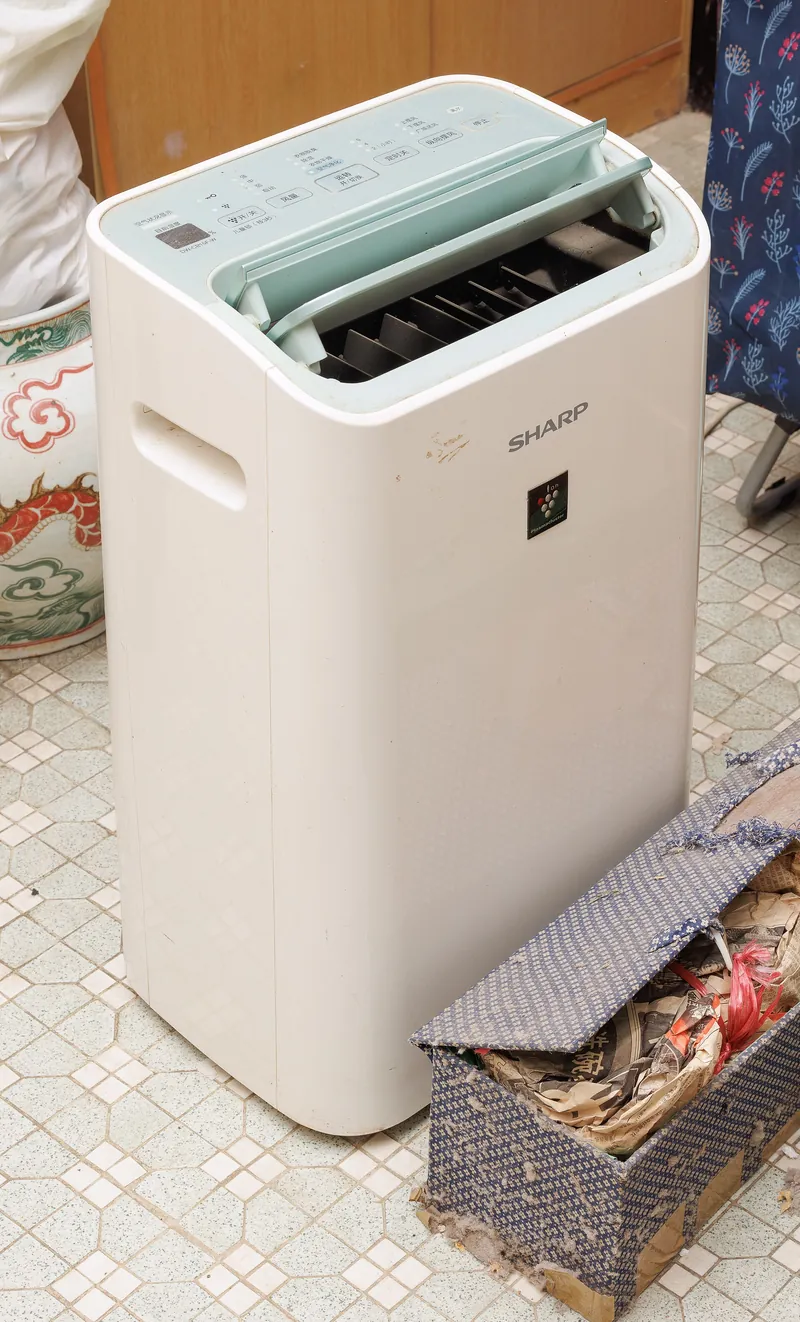

The EPA suggests holding indoor humidity under 60 percent, with 30 to 50 percent as the ideal range. An inexpensive hygrometer will show you the reading. If it stays high with equipment running, tell the provider. For how readings are used, see structural drying and moisture meter readings.
What are the signs that drying is not finished?
Drying should continue when the room smells musty, floors feel soft or look cupped, paint or baseboards bubble, or readings stop dropping. Equipment should leave only after final readings match dry areas of the same material, so request a look at those numbers.
- A musty or sour odor returning when the house is shut up
- Cupped hardwood or swollen laminate edges that have not settled
- Blistering paint, or drywall that feels soft near the floor
- Readings that sit above those of an untouched wall in the same house
Sealing up walls or installing new flooring over damp materials locks the moisture in. That trapped moisture leads to mold and a second round of repairs. The mold guide explains what to do if it has already begun.
What should you ask before extraction starts?
Ask which water category the provider thinks this is, what it plans to remove, how it takes moisture readings and how it bills. Providers differ on all four, and the answers belong in writing before work starts. The questions below fit most jobs.
- How does the water category affect my carpet and pad?
- Will moisture readings be taken at every visit, and will I get copies?
- Which materials will you remove, and which will you try to dry where they are?
- How will the job be billed: from an insurance price list, by the hour or at a fixed quote?
- Who do I call if the equipment alarms overnight?
The guide to choosing a restoration company goes through what to confirm. If outside water is involved, read flood cleanup in Houston first.
Sources: IICRC S500; Fixr, Water Damage Restoration Cost; CDC, About Mold and Your Health; EPA, A Brief Guide to Mold, Moisture and Your Home.