The short version
Mold after water damage in Houston takes hold where materials stay wet, which is why the EPA advises drying the area in the first 24 to 48 hours. You can usually clean a patch under about 10 square feet yourself. Larger or contaminated jobs go to a professional, and Texas licenses mold assessors and remediators.
How fast does mold grow after water damage in Houston?
Mold can take hold on materials that stay wet, which is why the EPA advises drying water-damaged areas and items in the first 24 to 48 hours. After that window, anything that never fully dried becomes the likeliest place for growth to start. Houston's climate does not help.
The clock starts when water arrives, not when a stain appears. A supply line weeping inside a wall or an AC drain line spilling into the attic can keep materials wet for weeks with nothing visible. Even a small leak found late carries mold risk.
The CDC's flood guidance points the same direction: clean the home and dry it out thoroughly and fast, and take out any carpets or upholstery that got soaked and cannot be dried promptly. Quick drying is what stops water mitigation work from becoming a mold cleanup.
Does Gulf Coast heat make mold worse?
Warm weather gives mold more months of the year to grow, and the NWS Houston/Galveston office reports a July mean temperature of 85.1 F at Bush Intercontinental, with an average July high of 94.5 F. Those are 1991 to 2020 normals. Heat alone does not grow mold, but wet material in a warm house is a bad mix.
The same NWS normals show 51.84 inches of rain in a normal year at that airport. Storm seasons and hurricanes can soak a house quickly, as the hurricane water damage guide explains. When the power is out, the air conditioner is not removing moisture either.
For indoor humidity, the EPA says to stay under 60 percent, with 30 to 50 percent relative humidity as the ideal. An inexpensive hygrometer from a hardware store gives you your number. A reading above 60 percent after a leak means the house is still holding moisture.
What are the signs of mold after water damage?
Look for a musty smell, visible spots, staining, paint that peels or bubbles, and materials that warp or stay damp. Any one of these after a leak means moisture is still in the building, and several together are a strong hint to dig further.
- A musty smell. An earthy odor that strengthens when the house is shut up often signals damp material you cannot see. The water damage smell guide covers what each odor means.
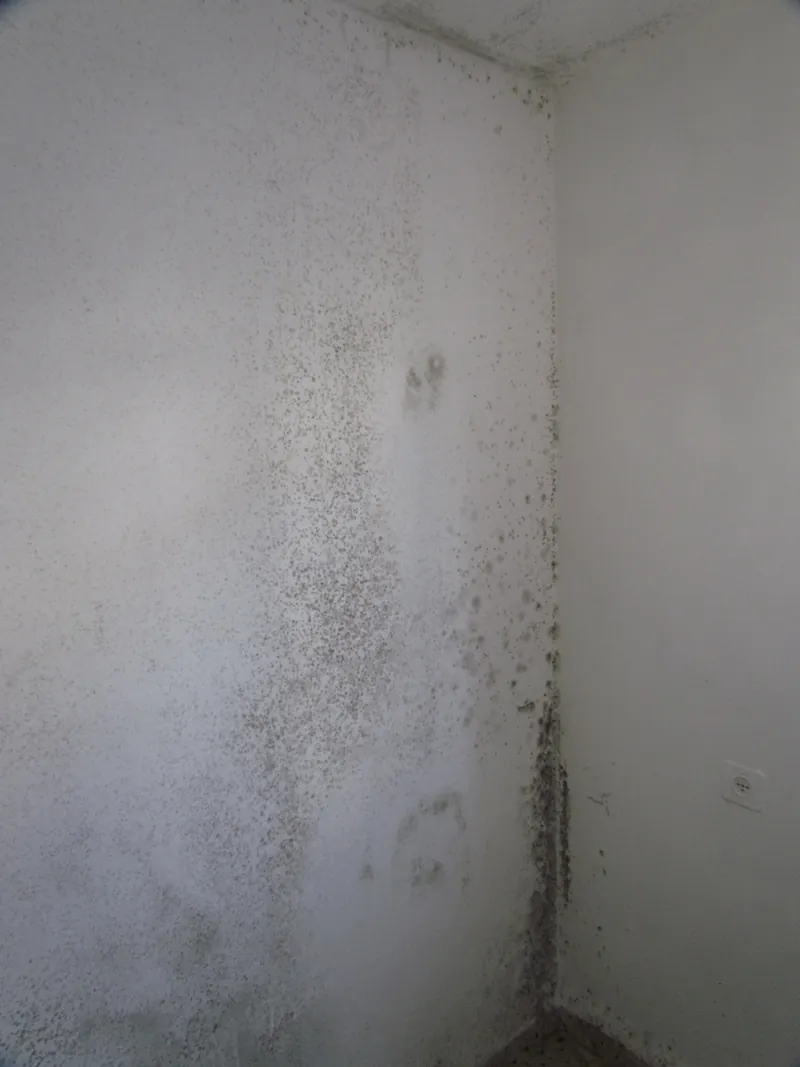
- Spots and fuzzy patches. Mold comes in many colors, so color alone tells you little. Check ceiling corners, baseboards and the bottom of walls.
- Staining. A brown or yellow ring is a record that water got there, even if the surface is dry now.
- Paint and wallpaper problems: paint that peels or bubbles, wallpaper lifting at the seams.
- Distorted materials like cupped flooring, puffed-up baseboards or soft drywall.
It can also go the other way: mold can remain after a leak without any smell you notice and with nothing visible on the surface. A moisture meter tells you more than your nose, and checking with one is a normal part of a drying visit.

Where does mold hide in a Houston slab home?
Mold settles in any spot where water soaked in and air could not circulate: inside walls, beneath flooring, above ceilings, in cabinets and around the air handler. In a house on a concrete slab, as many Houston-area homes are, the usual hiding places are walls, attics and flooring rather than a lower level.
| Location | Typical water source | Clues |
|---|---|---|
| Inside walls, behind drywall | A broken wall pipe, an appliance line or water rising from the floor | Blistered paint, low stains, an odor with no visible cause |
| Under flooring and carpet pad | Overflow from a dishwasher, washer or toilet, or a slab or supply leak | Cupped boards, seams that lift, dampness or mustiness at floor level |
| Attic and ceilings | A roof leak, an attic pipe or AC drain line overflow | Stained ceilings, drywall that sags, dark patches on rafters |
| Cabinets and vanities | Supply lines, drains and dishwasher hoses | Puffed cabinet floors, warped panels, an odor when a door opens |
| Around the air handler and ducts | A condensate line backup or a wet drip pan | A musty smell when the system runs, water near the unit |
Wet carpet and pad deserve a quick look because pad holds water under the surface. See wet carpet drying for how that is handled. For stains above you, read ceiling water damage repair.
Can I clean mold myself, and what is the 10 square foot rule?
Per the EPA, a moldy area under about 10 square feet, a patch roughly 3 ft by 3 ft, can in most cases be handled by you. Larger areas, mold inside walls, or mold tied to sewage or other contaminated water call for a professional.
For hard surfaces the CDC lists household cleaner, soap and water, or at most 1 cup of household bleach per 1 gallon of water. Never mix bleach with ammonia or other cleaners. Wear rubber boots, gloves and goggles, and open windows.
The EPA also advises against painting or caulking moldy surfaces, because sealing over damp material traps moisture and hides the problem. Porous items such as ceiling tile, carpet pad and wet insulation usually have to be thrown out rather than cleaned.

Does Texas require a license for mold remediation?
Yes, with exceptions. The Texas Department of Licensing and Regulation (TDLR) licenses mold assessors and mold remediators, and its FAQ says people who are not licensed can usually clean up areas of visible mold smaller than 25 contiguous square feet. Bigger jobs generally need licensed professionals.
TDLR also says assessment and remediation are separate licenses. Its FAQ states that one person or company may hold both licenses but may not do both assessment and remediation on the same project, with a school district exception. That rule keeps the person who writes the plan separate from the person who does the work.
A licensed remediation contractor hired by a consumer must follow a work plan built on a protocol written by a licensed mold assessment consultant, even on a small job. You can look up a company on the TDLR mold program page. Providers differ, so ask for the license number and check it yourself.
The FAQ also points to a Certificate of Mold Damage Remediation, a form on the Texas Department of Insurance site that a licensed consultant can sign after inspecting a property. Ask your insurer or agent whether you need one. Rental tenants can read TDLR's FAQ section on mold in rental housing and can file a complaint with TDLR about unlicensed work.
What should I do first to stop mold after water damage?
Stop the water, then start drying and sorting what is wet. Speed matters more than product choice, because the EPA window is 24 to 48 hours. These first steps fit most Houston leaks and storm events, and your safety comes first if water is near electrical power.
- Stop the source. Shut off the water at the house shutoff, or turn off the air conditioner if the AC drain line is overflowing.
- Keep power safe. Do not stand in water near outlets or the breaker box. Have the power turned off first.
- Remove what you can lift. Rugs, wet boxes and soaked furniture go out so the floor can dry.
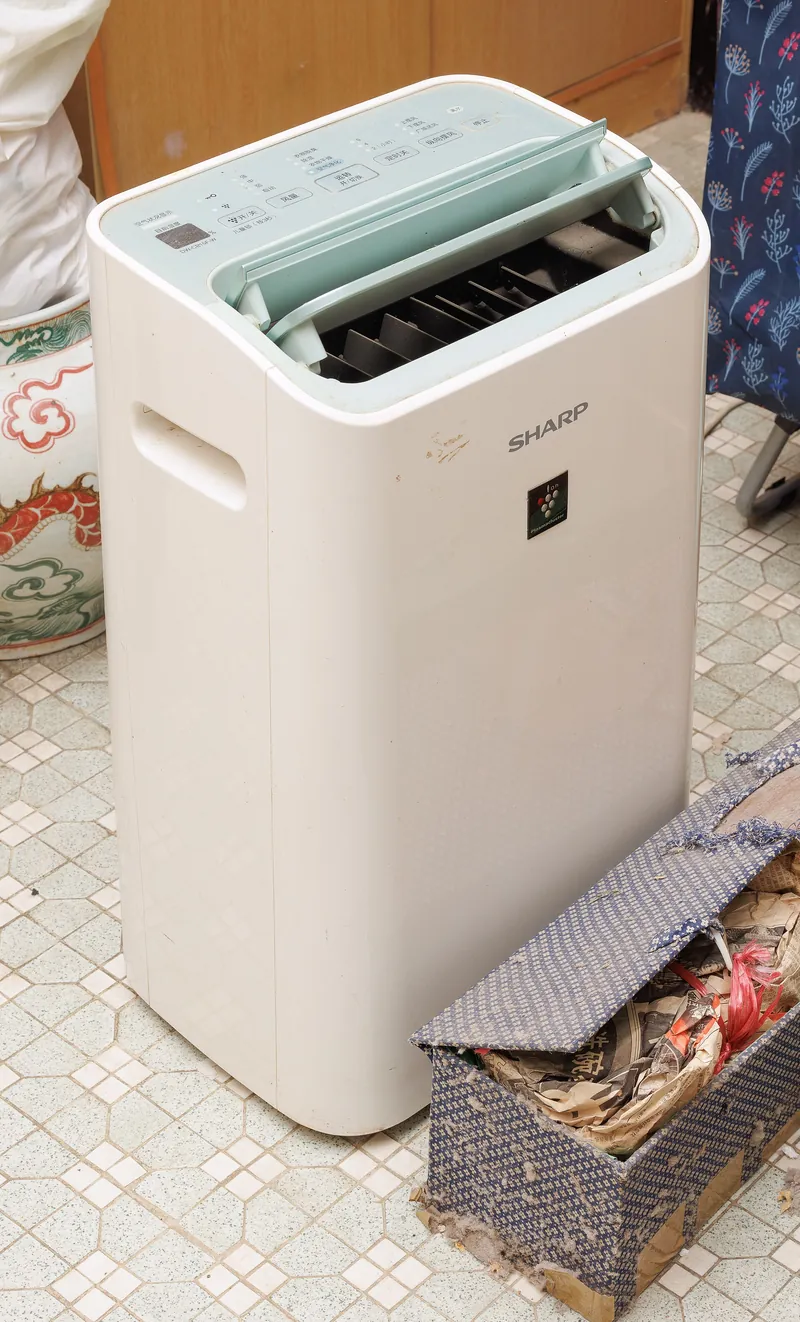
- Run fans and a dehumidifier, with windows closed if the outdoor air is humid.
- Photograph the damage before you throw anything away, for your insurer.
- Check humidity daily. A reading above 60 percent means the area is not dry.
- Call a provider if drywall, insulation or flooring stayed wet, or if the water was contaminated.
The restoration cost guide explains how providers price drying work. For contaminated water, start with sewage backup cleanup.
Is mold from water damage a health risk?
It can be. According to the CDC, mold can bring on a skin rash, burning eyes, coughing or wheezing, a sore throat or a stuffy nose. Asthma or a mold allergy can make reactions stronger, and people with weakened immune systems or chronic lung disease can develop lung infections.
If someone in the home has symptoms that seem tied to a damp area, move them away from it and speed up the drying. Do not disturb large moldy areas yourself. Scrubbing or tearing out wet drywall can throw spores into the air, which is one reason larger jobs go to professionals.
If sewage or outside flood water was the source, the IICRC S500 standard places it in Category 3, grossly contaminated water. For buildings damaged that way, the EPA says to bring in a professional with experience in contaminated-water jobs.
Does homeowners insurance cover mold in Texas?
Often not by itself. The NAIC says homeowners policies commonly exclude the cost of mold damage, and Triple-I adds that policies leave out damage from poor maintenance, mold or pests. Triple-I also notes that its water damage and freezing category includes mold damage, if covered.
That means the cause matters. Mold that follows a sudden covered loss may be treated differently from mold that grows after a slow leak nobody fixed. Read your policy language and ask your agent directly.
Prompt drying is also the cheapest way to avoid a mold dispute. Our insurance claims guide covers the Texas Department of Insurance claim steps, and sudden vs gradual leaks explains why that line matters to a claim.
When should I call a restoration provider?
Call when materials stayed wet past 48 hours, mold covers more than a small patch, or you cannot find the water source. Call earlier if the water was dirty. A provider can measure moisture in materials, which a smell test cannot do.
This site is a referral service, not a contractor, and providers differ in what they offer. Confirm directly whether a company handles drying, mold assessment or remediation, and what its Texas license covers. Ask for moisture readings and photos before and after.
For active water, see emergency water damage restoration. For hidden moisture, read signs of water damage.
Sources: Triple-I, homeowners and renters insurance facts.; Triple-I, Which disasters are covered; NAIC, Homeowners Insurance; IICRC S500; TDLR, Mold Assessors and Remediators FAQs; NWS Houston/Galveston, IAH normals; CDC, About Mold and Your Health; EPA, Mold Cleanup in Your Home; EPA, Brief Guide to Mold, Moisture and Your Home