For Houston Heights homeowners
For water damage restoration in the Houston Heights, shut off the main valve, photograph everything and start drying in the first 24 to 48 hours. Water from White Oak Bayou or the street is flood water, which standard homeowners policies exclude. We take requests from ZIPs 77008, 77007, 77009 and 77018.
Which Houston Heights addresses do you take requests from?
Requests for water damage restoration in the Houston Heights come from Houston 77008, 77007, 77009 and 77018. A restoration provider confirms whether they can reach your street when they call, and providers differ on how far they travel, so ask early.
The Heights is a neighborhood inside the city of Houston, about 4 miles northwest of Downtown, according to Wikipedia. Its edges are I-10 to the south, North Shepherd to the west, I-610 to the north, and North Main and Studewood to the east.
Nearby pages cover Bellaire and Meyerland to the southwest, West Houston, Pasadena and Deer Park to the southeast, and Missouri City to the south.
Does White Oak Bayou flood the Heights?
It can affect streets near the bayou, but no town page can say which houses. Wikipedia notes that White Oak Bayou runs through the Heights on its way toward Downtown. The same article says that when the Heights was founded, the area was 23 feet higher than Houston, where flooding was a problem.
Higher ground helps, yet it does not make a lot safe from a heavy rain. The Harris County Flood Control District says a major flood happens somewhere in the county about every two years, and it lists White Oak Bayou among the waterways in its drainage network.
Look up your own address on the Harris County Flood Education Mapping Tool. HCFCD says the tool is not the effective FEMA map, so confirm the official zone with FEMA too.
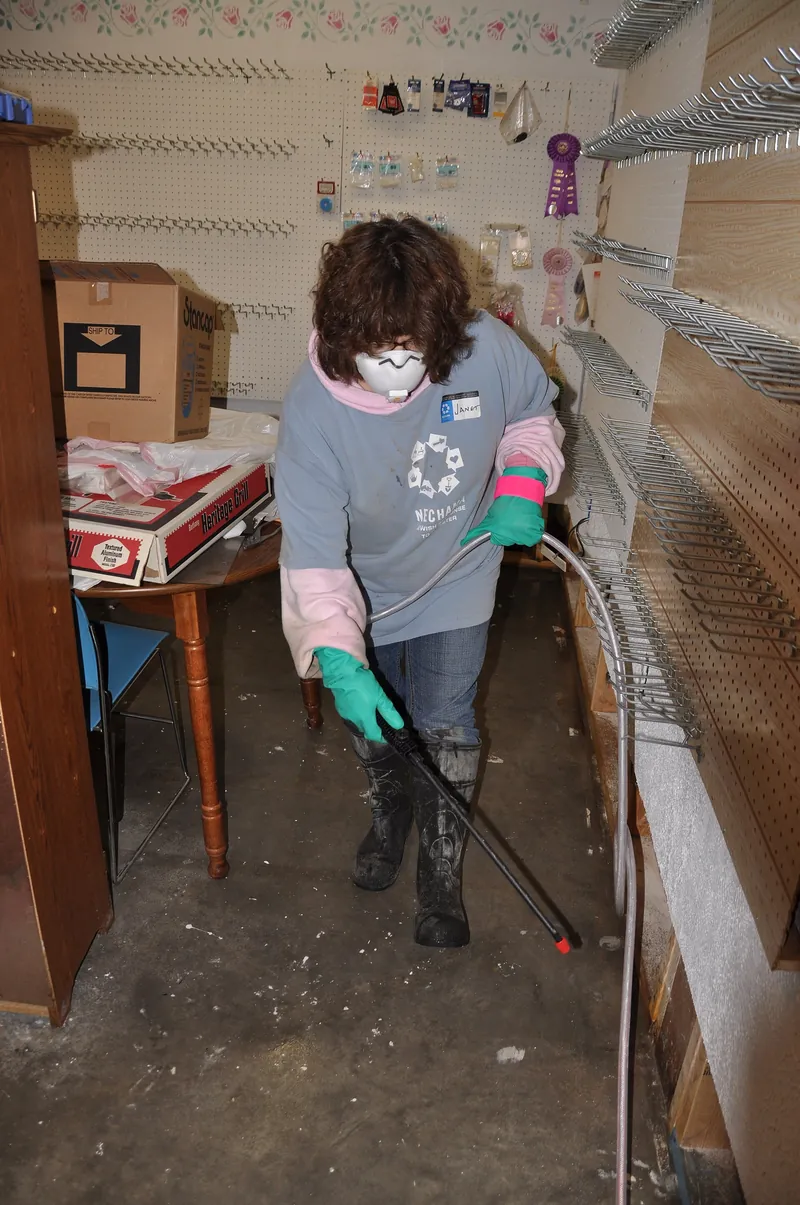
Water that comes in from the bayou or the street is Category 3 under the IICRC S500 standard. Our flood zone guide and flood cleanup page explain what that means for cleanup.

What makes older Heights houses harder to dry?
Age and alterations. Wikipedia describes a streetcar suburb planned in the 1890s and quotes National Geographic on side streets with homes dating from the early 1900s. A house that old has been repaired many times, so the plumbing, wiring and framing behind a wet wall may not match any plan.
The article adds that after World War II many houses were split into apartments and upkeep declined. Since the 1990s, buyers have renovated historic homes and torn down some for new ones. Both patterns leave additions, patched lines and mixed materials.
| What the Heights has | What Wikipedia says | What it means for a wet house |
|---|---|---|
| Early 1900s homes | Streets of homes dating from the early 1900s | Original materials may be hidden behind newer finishes |
| Subdivided houses | Many houses split into apartments after World War II | A leak can reach more than one unit |
| Renovations | Historic homes bought, renovated or replaced since the 1990s | Old and new plumbing meet at joints |
| Historic listings | About 100 properties on the National Register, 1980 to 2017 | Ask about rules before walls or floors are removed |
Why do old pipes and patched plumbing leak in the Heights?
Pipes wear out at joints, at fittings and where new lines were tied into old ones. Wikipedia does not say what pipe material Heights houses use, so check your own. If a plumber finds galvanized steel, read our galvanized pipe leak guide before you plan repairs.
Freezes add to the strain. The Texas Department of Insurance counted 112,163 Harris County claims after Winter Storm Uri in February 2021, and said damage included freezing pipes. The American Red Cross says the pipes most at risk run through attics, garages, crawl spaces and kitchen cabinets.
- Know where your main shutoff is. The burst pipe guide shows how to find it.
- Insulate exposed lines in attics, garage walls and cabinets on outside walls.
- Leave the heat on, and let cold water drip, when a hard freeze is forecast.
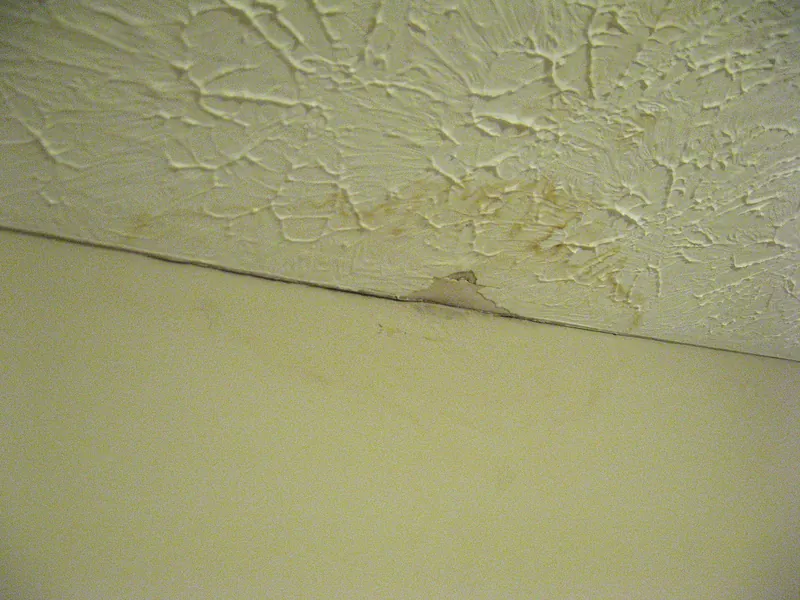
A dark spot on a ceiling often means a leak above it, not a roof problem. See ceiling water damage repair before you open the ceiling.
How does a wet floor behave under a slab or on piers?
It depends on the foundation, and your house may differ from its neighbor. Most Houston homes sit on concrete slabs, so water spreads across the floor and wicks up the base of the walls. If your floor is raised on piers, water can drain below it and stay hidden there.
Ask the provider how they will check both the surface and the space under it. Moisture readings should be taken before and after drying. Our moisture meter guide explains what the numbers mean, and the slab leak guide covers lines under a concrete floor.
- Note where the damp spots are and how far they reach.
- Photograph the floor and the base of the walls.
- Ask what the floor is built on, and whether it can be opened from below.
- Keep wet rugs and furniture off the floor so it can dry.

What will insurance cover for a Heights home?
A sudden plumbing leak is usually covered, but flood is not. The Insurance Information Institute says flood damage is excluded under standard homeowners and renters policies and needs separate cover. The NAIC adds that ground water and rain runoff are typically not covered either.
Triple-I advises calling your agent right away and protecting the property from more damage. It also says to hold off on major permanent repairs until the adjuster has seen it. Photograph everything first, and keep receipts.
The insurance claims guide lists what to save. For a house with an older roof, the roof leak page explains how storm leaks are treated.
What should I do in the first 24 to 48 hours?
Stop the water, protect people, then start drying. The EPA says to dry water-damaged areas and items within 24 to 48 hours to prevent mold growth, so the clock matters. Keep indoor humidity below 60 percent, ideally 30 to 50.
- Shut off the main water valve, and the power to wet areas if that is safe.
- Photograph and video the damage before you move anything.
- Call your insurer and ask what they need before work starts.
- Call a restoration provider and ask what they will measure and document.
- Do not paint or caulk over damp surfaces.
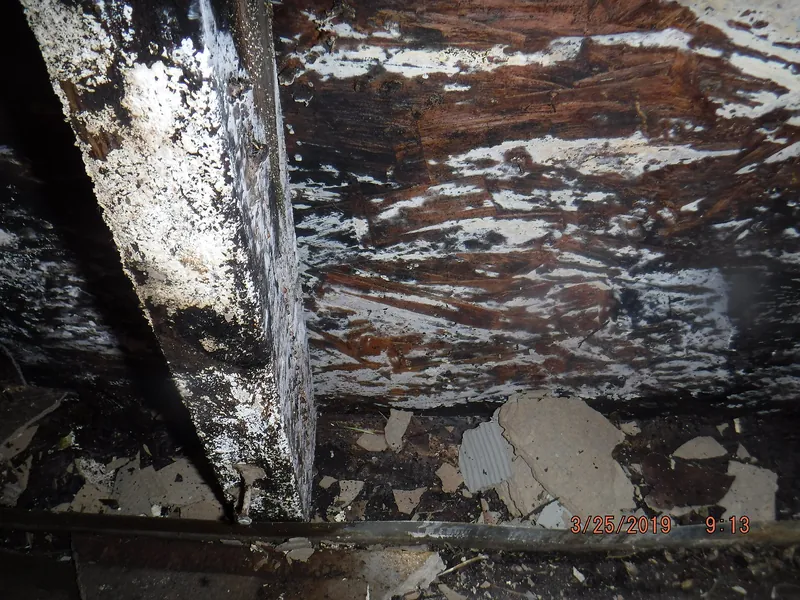
The emergency page has a longer checklist, and mold after water damage covers growth that has already started. For help weighing providers, read choosing a restoration company.
Sources: Houston Heights and Houston (Wikipedia); HCFCD flooding history; HCFCD watersheds; HCFCD Flood Education Mapping Tool; TDI Winter Storm Uri report; American Red Cross, frozen pipes; Triple-I, disasters covered by homeowners insurance; Triple-I, settling claims; NAIC homeowners insurance; IICRC S500; EPA, A Brief Guide to Mold, Moisture and Your Home.