The short version
After storm damage in Houston, contain the leak, take belongings out of wet rooms, cut power to affected rooms if it is safe, and document everything. Roofers fix the roof while a restoration provider addresses water inside. To keep mold from starting, aim to get wet materials dry in the first 24 to 48 hours.
What should I do when storm damage lets water into my Houston home?
Safety comes first, then containment, then evidence. No one can fix a roof mid-storm, so the aim is to keep the water away from as much of the house as you can until the weather passes and a roofer can close the opening. Take photos and video while it is happening.
- Keep off the roof and out of the attic while lightning, wind or slick footing is a threat.
- Clear the area under the leak: people away from the wet spot, rugs, furniture and electronics out of the way.
- Cut power to a room where water is running through a light, fan or outlet, but only if you can reach the panel while standing dry.
- Set out buckets and towels. A ceiling bulging with water is covered in how to drain a bulging ceiling safely.
- Film and photograph the drips, stains and damage, with the date and time.
- Phone your insurer when it is safe, then a roofer, and add a restoration provider if insulation, walls or floors got wet.
Once the roof is covered, the emergency water damage restoration page describes how drying proceeds.
How can I tell if I have storm damage in Houston?
Check for water stains, wet attic decking, lifted or missing shingles and debris on the roof, then look at windows, vents and walls facing the wind. Storm water enters at weak points rather than through the field of the shingles, and the ceiling stain is often well away from the actual opening.
| Where it gets in | What you see | First call |
|---|---|---|
| Roof surface | Stains on the ceiling after rain, wet decking | A roofer, plus a restoration provider if insulation and drywall are wet |
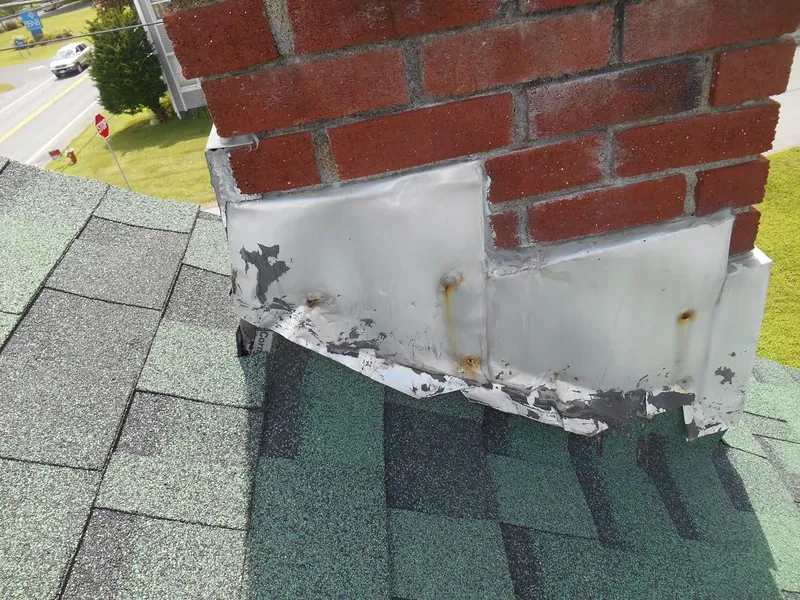
| Flashing and chimney | Discoloration beside a chimney or at a roof-to-wall joint | A roofer, then a provider for the affected wall |
| Vents and penetrations | Dripping around a vent pipe, wet insulation beneath | A roofer, and a provider when the insulation is saturated |
| Windows and doors | Wet sills, stained trim, swollen casing | An installer for the window or door, then a provider for the wall below it |
| Wind-driven rain | Soaked siding walls, ceiling corners that feel damp | A roofer or siding contractor, then a provider |
| Fallen limbs or trees | A hole or sag in the roof, daylight in the attic | A tree service and roofer, then a provider |
| Water at ground level | Water over the slab, wet baseboards all around | A restoration provider; see the flood section below |
The final row is a different problem. Restoration providers and insurers both handle water that enters from the ground differently from water that enters through the roof.
What is the difference between a roof leak and wind-driven rain?
A roof leak means water passes through the roofing itself. Wind-driven rain is different: the wind shoves water at an angle into openings that stay dry in a regular rain, like window frames, siding seams, vents and roof edges. Because it takes a strong storm to do this, a home can stay dry for weeks and then leak.
Look for the pattern. When stains show only with wind from one direction, inspect the walls and openings facing that way rather than just the roof. Give the roofer and the restoration provider the storm date and the wind direction.
If the stain showed up long after a hail storm, the hail storm hidden leaks guide covers how slow leaks hide in insulation. Water behind exterior walls is covered in water behind siding.
What did the May 2024 derecho and Hurricane Beryl do to Houston homes?
Both storms were mostly wind events, and wind is what opens a roof to rain. The National Weather Service says the May 16, 2024 derecho brought a swath of 100+ mph winds through the Houston metro, with widespread damage. Hurricane Beryl followed on July 8, 2024.
- The NWS May 2024 climate summary calls the derecho the most impactful event of that month and says it spawned a couple of tornadoes.
- The NWS Houston/Galveston Beryl report records a 72-knot gust at Houston Intercontinental and a 73-knot gust at Hobby.
- The same report says Beryl averaged around 4 to 8 inches of rain, with swaths of 10 to 15 inches, and brought down numerous trees and power lines.
Trees and limbs on roofs, lifted shingles and rain in the attic followed. The hurricane water damage guide covers named storms in more depth. After a widespread storm, roofers and providers are asked for help all at once, so confirm timing directly with each one.
What happens to attic insulation and drywall after a roof leak?
Soaked insulation presses water against the ceiling below, which is why a small leak so often turns into a big repair. Wet insulation dries slowly, packs down and loses much of its insulating value, and the drywall underneath can go soft, stain and grow mold when the moisture lingers.
- Saturated loose-fill or batt insulation generally has to be removed to let the ceiling dry.
- Drywall that has gone soft, droops or shows a stain through to the back is normally cut out. Panels that are only surface-damp can sometimes dry without removal.
- Decking and framing that remain damp must dry before new insulation goes in.
Before anything is closed up, a restoration provider takes moisture meter readings on the ceiling, insulation and framing. Drywall water damage repair shows how the keep-or-cut decision is made. Paint over damp drywall seals the moisture in, and the stain comes back.
Is storm water ever flood water?
It can be. Rain coming down through your roof is one situation; water rising from a bayou, a street or a blocked drain is another. In the IICRC S500, Category 3 means grossly contaminated, and it covers outside surface water as well as flood water rising from rivers and streams. That category shapes the whole job.
Cleanup changes as a result. Carpet, drywall and other porous materials touched by Category 3 water are typically removed instead of dried, and workers need protective gear.
Ready.gov points out that moving water as shallow as six inches can topple an adult, and at a foot it can carry a vehicle away.
Houston has seen flooding at scale: the National Hurricane Center reports at least 160,000 structures flooded in Harris and Galveston counties during Hurricane Harvey in 2017. For water that entered at ground level, read flood cleanup, why Houston floods and the flood zone map guide.
Does insurance cover storm damage or a roof leak in Houston?
Usually a roof leak is covered and flood or runoff is not. The NAIC says water that leaks in through the roof is typically covered, while ground water, rain runoff and snow-melt damage is excluded. On a Houston claim, wind and flood are two separate questions.
- Wind and rain through the roof: read your homeowners policy and ask about a separate wind or hail deductible.
- Rising water: FEMA says most homeowners insurance excludes flooding. The Triple-I adds that flood coverage means buying a separate policy, from the NFIP or from a few private insurers.
- Maintenance: Triple-I says damage from lack of maintenance is not covered, so a worn-out roof can lead to a dispute.
The wording of your policy decides, and a coastal address can bring extra rules, so ask your agent which policies apply to you. The insurance claims guide sets roof, plumbing and flood claims side by side.
How do I document storm damage for an insurance claim?
Take photos and video of everything before cleaning up, and notify your insurer promptly. Triple-I advises reasonable steps to keep the damage from spreading, but no big permanent repairs until the adjuster has looked at the loss. Dated records make the claim easier to support.
- Note the storm, the date, when the leak began and the weather at the time.
- If it is safe, photograph the roof from the ground, then every stain, wet area and damaged item.
- Hold on to damaged items until the adjuster visits.
- Keep receipts for tarps, buckets, drying and temporary repairs.
- Ask for written bids that list materials and prices line by line.
The Texas Department of Insurance publishes the steps and deadlines for your insurer to acknowledge, decide on and pay a claim, and says it can extend the deadlines after a weather-related catastrophe. If a claim is rejected, the insurer has to say why in writing.
Who fixes the roof and who fixes the water?
Two trades handle two problems. A roofer repairs or covers the roof, and a restoration provider deals with water inside the house. This site is a referral service for water damage only, so it does not offer roofing, tree removal or wind repairs and does not perform the work itself.
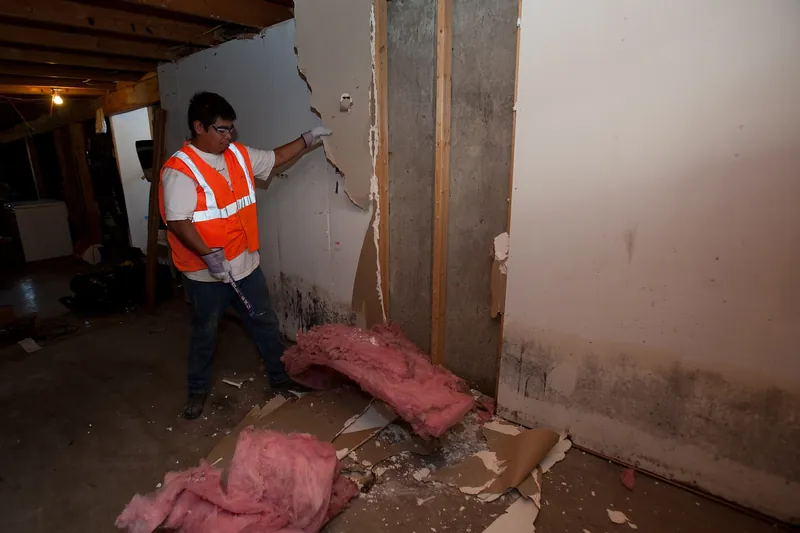
Drying need not wait for a permanent roof fix, provided the roof is covered and no new water is entering. A provider pulls standing water, removes insulation and drywall beyond saving, and dries the framing. Water removal and structural drying describe the process; services differ, so ask each provider what it handles.

How do I protect the house until the roof is repaired?
A roofer installs a temporary tarp or cover, and your job is keeping the inside as dry as possible. Tarping means working on a steep, wet surface, so leave it to the roofer. Falling off a roof is a worse outcome than any leak.
- Empty buckets before they fill so none overflow.
- Take belongings out of wet rooms, and set furniture legs on blocks or foil above wet floors.
- Stay out from under a sagging ceiling.
- Save receipts, since insurers expect reasonable steps to protect the property.
If water reached hardwood or laminate, act quickly. The water-damaged floor repair page explains what can be saved.
How soon does mold start after a roof leak?
It can begin quickly when materials stay wet. The EPA says that the way to prevent mold growth is to get water-damaged areas and items dry in the first 24 to 48 hours. It puts indoor humidity targets under 60 percent, ideally 30 to 50 percent.
Attics deserve extra suspicion, since a leak up there can drip for days with nobody noticing. After any storm that left stains, inspect the underside of the roof deck and take a musty smell seriously. The EPA says not to paint or caulk moldy surfaces, and the CDC notes that people with asthma or mold allergy can react severely.
The mold after water damage guide separates the cleanup you can do yourself from the jobs that need a professional.
Can I prepare the house before the next Houston storm?
Partly. Weather is out of your hands, but you can find weak spots before the next storm exploits them. After a major storm, scan the roof from the ground for missing or lifted shingles, and watch ceilings and the attic for new stains.
- Clear gutters and downspouts, and direct their discharge away from the slab.
- If a stain appears, have a roofer inspect flashing, chimney joints and vent boots.
- Outline ceiling stains in pencil with the date to see whether one is spreading.
- The water damage prevention guide has the full checklist.
Water in the insulation, walls or floors is the point to reach out through this site, and we will pass your request to an independent restoration provider that takes requests for your area.
Sources: NWS Houston/Galveston, May 2024 Regional Climate Summary; NWS Houston/Galveston, Hurricane Beryl summary; NHC, Hurricane Harvey Tropical Cyclone Report; IICRC S500; Ready.gov, Floods; NAIC, Homeowners Insurance; FEMA, Don't Have Flood Insurance; Triple-I, Which disasters are covered by homeowners insurance; Triple-I, Settling insurance claims after a disaster; Texas Department of Insurance, Getting your insurance claim paid; EPA mold and moisture guide; CDC, About Mold and Your Health.