The short version
A hail damage roof leak often shows up weeks after the storm as a ceiling stain, damp attic insulation or a musty smell. Check the attic under the damaged area, photograph what you find and report it to your insurer early. Dry wet material in 24 to 48 hours, as the EPA advises, to stop mold.
Can hail cause a roof leak weeks after the storm?
Yes. Hail can bruise shingles, knock granules loose and crack seals without opening a hole that drips on night one. A hail damage roof leak often starts small, then shows up weeks later as a stain, a musty smell or damp insulation, after the next hard rain finds the weak spot.
That delay is why people miss it. The storm passes, the ceiling looks fine and life goes on. Meanwhile rain runs through a damaged spot and soaks insulation, decking and framing above the ceiling, where you cannot see it.
This site is a referral service for Houston, not a contractor. It connects callers with independent restoration providers, while roofers handle roof repair.
This guide covers how to check for hidden leaks, how stains give them away and how to protect a claim. If a leak is already dripping, see roof leak and storm water damage first.
What does hail damage look like on a Houston roof?
Look for dents, bruises and bare spots from the ground first, and leave the roof walk to a professional. Hail shows up as dented vents, dinged metal flashing and gutters, and shingles that look dark, pitted or missing the gritty surface. A roofer can confirm what a quick look suggests.
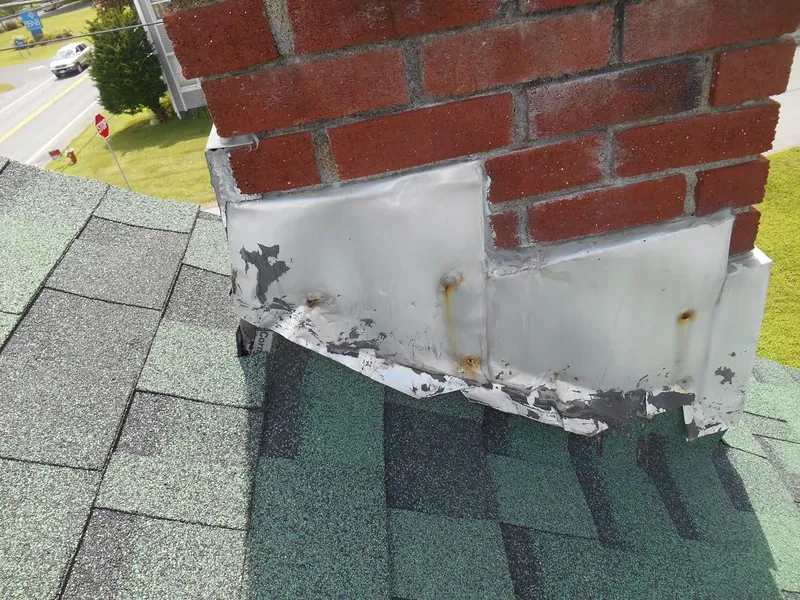

From the ground, with binoculars if you have them, check the following:
- Shingles with dark round spots, cracks, or loose granules in the gutters and at the downspout.
- Dents in roof vents, ridge caps, gutters and the metal around chimneys.
- Dings on the AC condenser, mailbox, fence tops and car, which show how hard the storm was in your spot.
- Damaged skylight edges, vent boots and any place a pipe goes through the roof.
Do not climb a wet or steep roof to look. A fall is a bigger risk than a leak.
Where should I check for hidden leaks after hail?
Start in the attic under the damaged area, then work down to ceilings and walls on the top floor. A flashlight, a dry day and a few minutes are enough for a first look. You are searching for damp, dark or sagging material that was not there before the storm.
- Go into the attic with a flashlight and look at the underside of the roof deck for dark, wet-looking wood or drip marks.
- Press the insulation. Wet or matted insulation, or a damp smell, means water has been getting in.
- Check around penetrations such as plumbing vents, flues and the attic AC drain line, which also leaks and is easy to confuse with a roof leak.
- Look at the ceilings below for brown rings, bubbling paint or a soft spot.
- Check upper walls and corners near the roof edge, where water can run down inside the wall.
- Take dated photos of anything you find and of the roof from the ground.
- Check again after the next rain because some leaks only show up with wind-driven rain.
If your AC air handler or water heater is in the attic, step carefully and watch for wet wiring. The AC leak page explains how condensate overflow can look like a roof leak.
How do ceiling stains show a hail leak weeks later?
A ceiling stain is the last stop for water that has already crossed the roof, deck and insulation. It can appear weeks after the hail, usually in a ring that grows after rain. By the time you see it, the materials above have often been wet for a while.
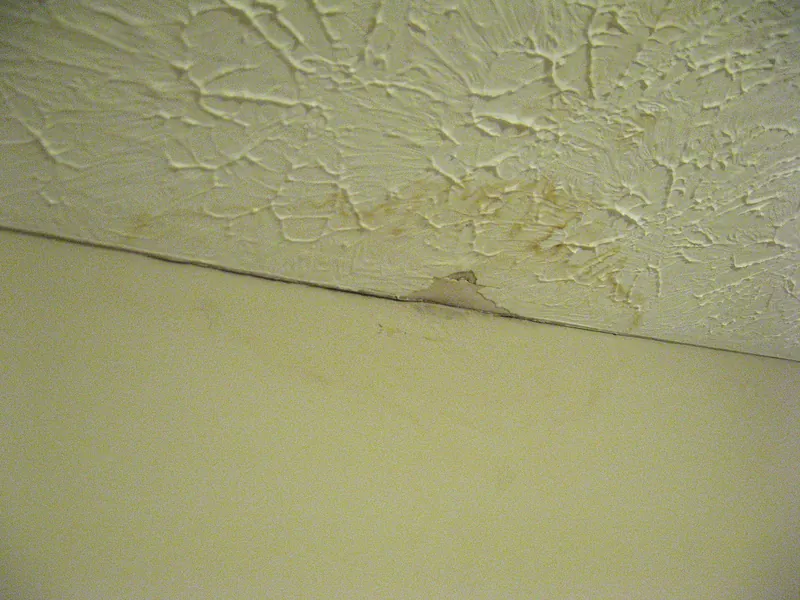

Use the table to match what you see to a likely cause. These are patterns, not diagnoses.
| What you see | What it may mean | First step |
|---|---|---|
| Brown ring that grows after rain | An active roof or flashing leak above the ceiling | Photograph it, mark the edge with a pencil and check the attic |
| Stain that appears with the AC running | A clogged AC drain line or pan, not hail | See AC leak water damage |
| Bubbling or peeling paint on the ceiling | Water trapped behind the surface | Do not paint over it; have the area checked. See ceiling water damage |
| Sagging or bulging drywall | A pocket of water or heavily soaked board | Keep out from under it and read the ceiling page before cutting |
| Musty smell with no visible stain | Wet insulation or deck in the attic | Inspect the attic and read about water damage smells |
Do not paint over a stain. The EPA says not to paint or caulk moldy surfaces, and covering a wet spot hides the clue you need.
Should I get a roof inspection before I call my insurer?
You can do both in either order, but do not wait on the claim. Tell your insurer as soon as you suspect damage, document it, and get an independent roofer to look at the roof. Triple-I says to contact your agent or company immediately and to take reasonable steps to protect the property.
Triple-I also advises holding off on major permanent repairs until the adjuster has assessed the damage, photographing or videoing the damage, and saving receipts for what you spend. It says not to throw out damaged items until the adjuster has visited, and to get written bids from licensed contractors with materials and prices listed line by line.
Ask a roofer for photos of what they find, not just a quote. A temporary tarp is a reasonable step to stop more rain, as long as you keep the receipt.
Providers and roofers differ in what they offer and how quickly they can come, so confirm directly. See the guide to choosing a restoration company for questions to ask any contractor.
How long do I have to file a hail claim in Texas?
Check your policy, because deadlines vary and some are short. The Texas Department of Insurance says most companies have deadlines for filing and that some policies have a one-year deadline unless you can show good cause for a delay. The safest course is to report damage as soon as you find it.
TDI's guide adds that if you have a wind and hail policy from the Texas Windstorm Insurance Association, you have one year from the date of damage to file. TDI says that if you live on the Texas coast, or in Harris County on Galveston Bay, your home policy might not cover wind and hail, so check which policy applies to your address.
Once a claim is filed, TDI's claim steps say a company that rejects it must say why in writing.
The company can extend its decision deadline by 45 days if it explains the delay, and TDI can add 15 more days after a weather-related catastrophe. If you think a decision was wrong, TDI has a complaint page. The insurance claims guide walks through the full process.
Will insurance pay for water damage inside after hail?
Often, when the roof was damaged by a covered storm. NAIC says water damage from a leak in the roof is typically covered, while damage from ground water or rain runoff is not. Whether yours pays depends on the cause, the policy wording and the evidence you collected.
TDI's guide lists exclusions that matter for slow leaks. It says policies do not cover wear and tear, and that a continuous water leak is not covered. It also says policies will not cover mold removal, except to repair damage caused by a covered risk.
That is why timing and photos matter.
A leak that you can tie to a specific storm, and show you acted on, reads differently from one that looks like years of neglect. Triple-I says policies will not cover damage due to lack of maintenance. The sudden vs gradual leaks guide explains how insurers draw that line.
Can a hail leak cause mold in the attic and walls?
Yes, if the material stays wet. The EPA advises drying water-damaged areas and items within 24 to 48 hours to prevent mold growth. A leak that keeps feeding insulation and decking over several weeks gives mold plenty of time and no one is looking.
The CDC says mold can cause a stuffy nose, sore throat, coughing or wheezing, burning eyes or a skin rash, and that people with asthma or a mold allergy may react more strongly. A damp attic over a living area is worth checking soon.
The EPA says that if the moldy area is less than about 10 square feet, you can usually handle the job yourself. Anything larger, or inside walls, is better assessed by a professional. Read mold after water damage before you start cleaning.
When should I call a restoration provider?
Call when you find wet insulation, a growing stain, a soft ceiling or damp walls. A roofer fixes the opening, and a restoration provider dries what got wet. You often need both, in that order: stop the water, then dry, then repair.
Providers differ, so confirm directly what each one does, including whether they take moisture readings, document them and handle attic insulation removal. Ask for photos and readings you can pass to your insurer. If you are connected through this site, the provider sets its own terms.
For wet ceilings and drywall, see drywall water damage repair. For how drying works, see structural drying. The full guide index lists every Houston water damage topic.
Sources: TDI, home insurance guide; TDI, getting your claim paid; TDI, insurance complaints; Triple-I, settling claims after a disaster; Triple-I, which disasters are covered; NAIC, homeowners insurance; EPA, mold and moisture guide; EPA, mold cleanup; CDC, About Mold and Your Health.