The short version
Hurricane water damage in Houston comes from wind-driven rain through the roof, storm surge near the coast and rising flood water. Flood water is Category 3 and needs a flood policy. Photograph everything, stay out of flood water, dry wet areas in 24 to 48 hours as the EPA advises, and call a provider early.
How does a hurricane damage a Houston house?
A hurricane puts water into a house three ways: wind-driven rain through the roof and walls, storm surge near the coast, and rising flood water from heavy rain. Each one behaves differently, is cleaned up differently and is insured differently. Telling them apart early shapes every decision after the storm.
Wind-driven rain gets in through lifted shingles, failed flashing, broken windows and openings the wind creates. It tends to wet ceilings, attic insulation and the upper walls first. Rising water from outside comes in at floor level instead and soaks flooring, the bottom of the drywall and everything stored low.
NOAA's National Hurricane Center says storm surge is an abnormal rise in water level pushed ashore by a storm's winds, and that it is the leading cause of fatalities from hurricanes. Ready.gov adds that hurricanes are not just a coastal problem, because rain, wind and even tornadoes can reach far inland.
If your house sits on a slab, water that gets in has nowhere to drain and spreads across the whole floor. This site is a referral service, not a contractor, and it connects callers with independent restoration providers. This guide explains the water side of a hurricane so you know what to do and what to ask.
What did Hurricane Beryl do to the Houston area in 2024?
Beryl made landfall in the early morning hours of July 8, 2024, and the National Weather Service in Houston and Galveston reports that its outer rainbands reached Southeast Texas the afternoon before. It was a wind and power event more than a rain event for most of the metro, with flooding concentrated in particular spots.
The NWS storm summary gives these figures for the area:
- Peak gust of 84 knots (97 mph) near the Brazos River in Brazoria County.
- Rainfall of about 4 to 8 inches on average, with swaths of 10 to 15 inches. The top gauge read 14.99 inches at Thompsons.
- Storm surge flooding generally 4 to 6 feet, with some surveys up to 8 feet.
The report also says the high winds brought numerous trees and power lines down, which caused widespread outages, and that heat indices of 100 to 106 F followed. Without power, air conditioning stops, humidity climbs and anything wet stays wet.
The NWS lists 7 direct fatalities in its area, 5 from falling trees and 2 from flash flooding, plus 4 indirect ones, including 2 from carbon monoxide. Never run a generator indoors or in a garage.
Can a hurricane flood a house outside a flood zone?
Yes. The Texas Department of Insurance says more than half of homes flooded by Hurricane Harvey were outside designated flood zones. Harvey also showed how much rain a Gulf storm can drop on the metro, which is why zone maps are a starting point and not a promise.
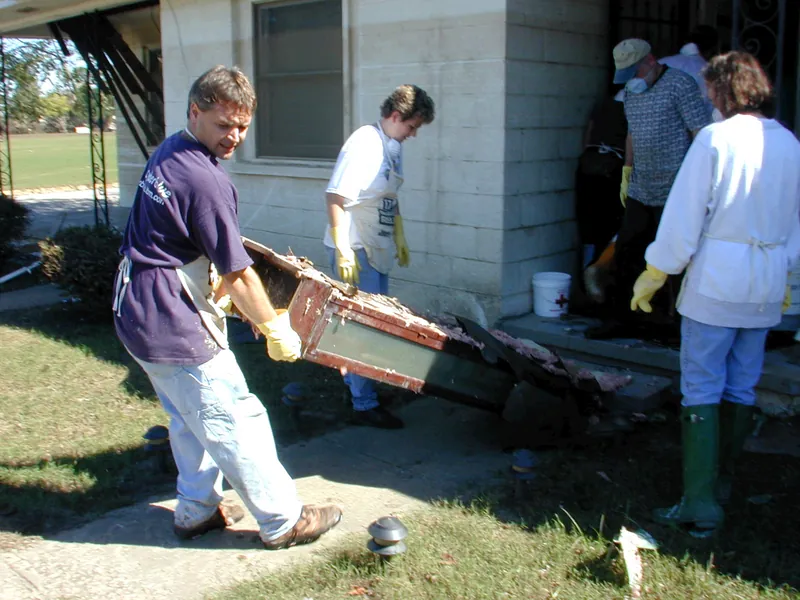

The NHC's Harvey report says 36 to 48 inches of rain were recorded in the Houston metro area, and that at least 160,000 structures flooded in Harris and Galveston counties combined. It also notes that controlled releases from Addicks and Barker Reservoirs were made during the height of the storm to prevent dam failures, which further flooded some areas above them. Harris County Flood Control says rising pool water was the first time homes upstream of those reservoirs had flooded in the dams' history.
For a lookup of your own address, see the flood zone map guide. For the bigger picture of why this region floods, read why Houston floods.
What is the difference between wind damage and flood damage?
Wind damage starts at the roof and usually lets rain in. Flood damage starts at the ground and brings in water from outside. The two are cleaned up differently and are covered by different policies, so sorting out which water did what is the first job of any claim.
| Water source | Where it shows up first | Water category | Usual policy |
|---|---|---|---|
| Rain through a wind-damaged roof or window | Ceilings, attic insulation, upper walls | Often Category 1 or 2 at first, worse the longer it sits | Homeowners, if the policy covers the cause |
| Rising flood water from outside | Floors, lower walls, anything stored low | Category 3 under IICRC S500 | Flood policy, not homeowners |
| Storm surge near the coast | Ground level, with salt and debris | Category 3 | Flood policy |
| Sewer backup in heavy rain | Lowest drains, such as a tub or floor drain | Category 3 | Separate endorsement or product |
The IICRC S500 standard places rising flood water and sewage in Category 3, grossly contaminated water. The flood cleanup page explains how that changes the job, and sewage backup cleanup covers the drain side. Triple-I notes that flood damage is excluded under standard homeowners policies and that sewer backup is not covered by a typical policy or by flood insurance.
What should I do before a hurricane to limit water damage?
Do the small, cheap things while the forecast is still a forecast: clear drains, secure the roof and openings, photograph everything and keep your papers dry. Ready.gov advises decluttering drains and gutters, bringing in outside furniture and considering shutters. Beyond those, a few Houston-specific steps pay off.
- Learn your zone. Ready.gov says to know your evacuation zone and routes, and to follow instructions from local emergency managers.
- Check your coverage. TDI warns that most flood policies have a 30-day waiting period, so a policy bought as a storm approaches may not help.
- Photograph every room. Video the roof line, ceilings, floors and your belongings before anything happens.
- Copy your documents. Ready.gov says to keep copies of insurance policies and ID in a secure, password-protected digital space.
- Know your shutoffs. The prevention guide shows where the water shutoffs sit in a slab house.
- Raise what you can. Lift boxes, electronics and documents off the floor and away from the garage door.
- Stock for a long outage. Ready.gov says you may go without supplies for days or even weeks.
If you are told to evacuate, go. Property can be dried or replaced.
What do I do right after the storm passes?
Wait for the all-clear, then check safety before anything else. Ready.gov says not to touch electrical equipment if it is wet or if you are standing in water, and to turn off electricity at the main breaker only if it is safe to do so. Do not wade in flood water, which can carry pathogens, chemicals and waste.
Once the house is safe to enter, work in this order. Take photos and video before moving anything, stop any water you can stop, then start getting wet material out and air moving.
Ready.gov and the CDC both stress cleaning and drying fast. The CDC says to clean and dry out a flooded home fully and quickly, within 24 to 48 hours, and to remove carpets and upholstery that were soaked and cannot be dried right away.
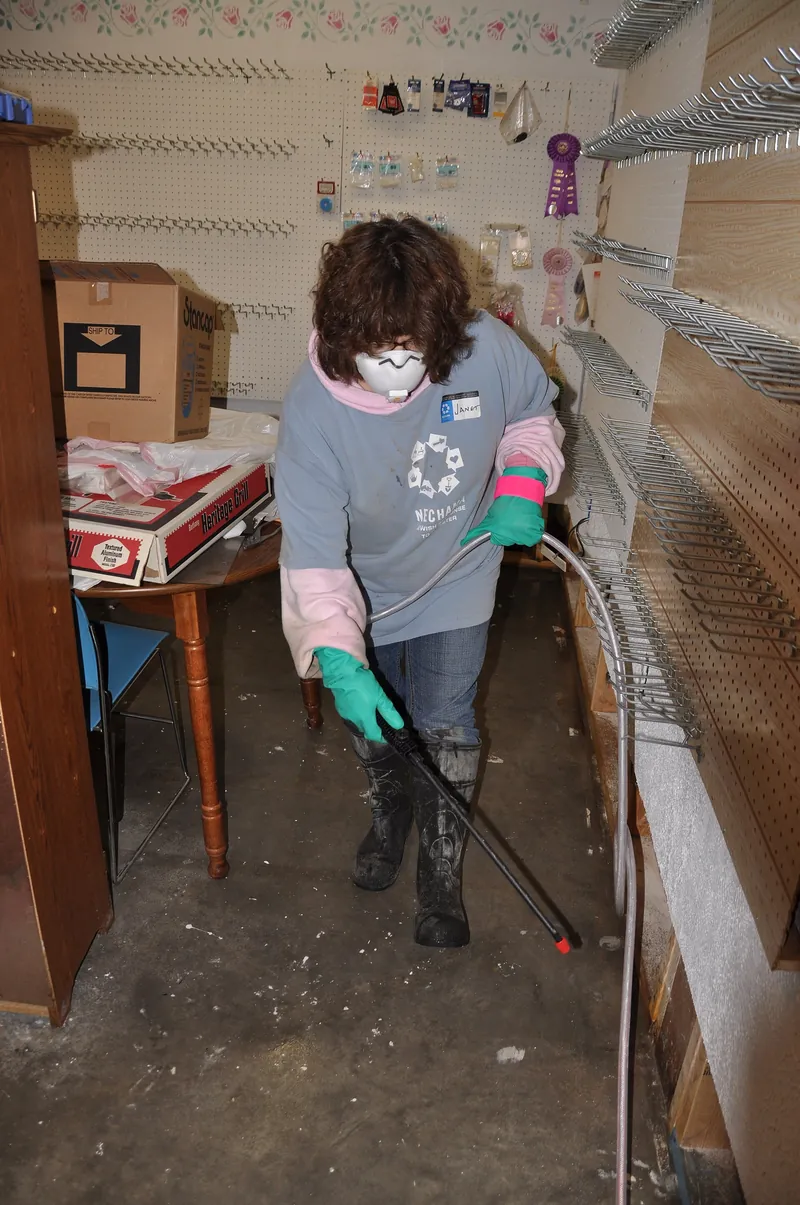
Wear gloves, boots and protective clothing, and work with another person. Ready.gov says people with asthma and other lung conditions or immune suppression should not enter buildings with indoor water leaks or visible or smelly mold, and that children should not help with cleanup. If you cannot tell whether it is safe to stay, read is it safe to stay in a house with water damage.
How do I cover a damaged roof and document the loss?
Cover the opening to stop more rain, keep the receipts, and photograph the damage before and after. Triple-I advises taking reasonable steps to protect the property from further damage and holding off on major permanent repairs until the adjuster has assessed the loss. A tarp is the temporary step, not the repair.
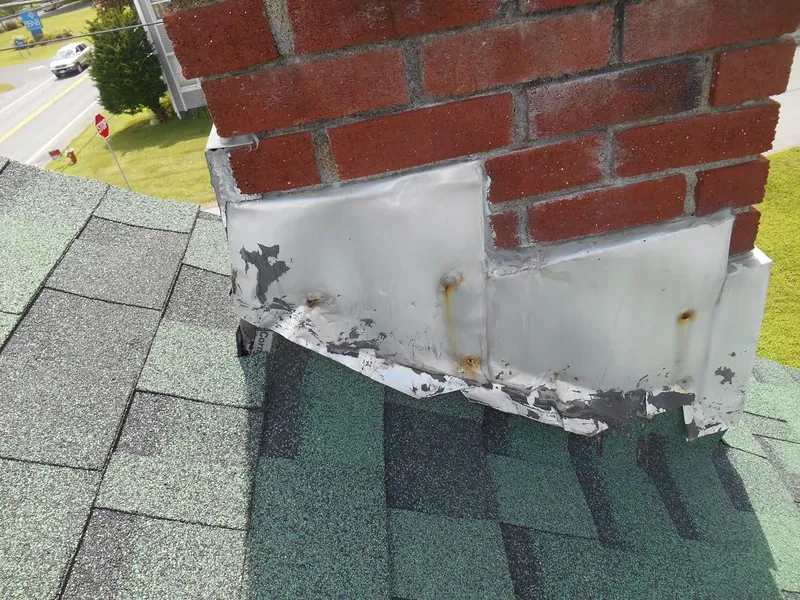

Do not climb onto a wet or damaged roof yourself. A roofer or a restoration provider that offers emergency tarping can do it, and providers differ on whether they do, so confirm directly. Keep every receipt, because Triple-I says to submit what you spend for reimbursement.
Triple-I also says not to throw out damaged items until the adjuster has visited. Photograph them first. Get written bids from licensed contractors with materials and prices listed line by line, and see the roof leak and storm water damage page for what a leak looks like inside the house.
Does insurance cover hurricane water damage in Houston?
It depends on where the water came from. NAIC says water damage from a leak in the roof is typically covered, while damage from ground water or rain runoff is not. FEMA says most homeowners insurance does not cover damage from flooding, so flood needs its own policy.
TDI's guide says that if you live on the Texas coast, or in Harris County on Galveston Bay, your home policy might not cover wind and hail damage, and the Texas Windstorm Insurance Association sells that coverage to coastal residents. Read your declarations page for deductibles that apply to named storms or wind.
After you file, TDI's claim steps say a company that rejects your claim must say why in writing, that it can extend its decision deadline by 45 days if it explains why, and that TDI can add 15 more days after a weather-related catastrophe. Triple-I says to contact your agent or the claim manager if you disagree, and that many policies allow an independent appraisal. The insurance claims guide goes through the process in order.
How fast does mold start after a hurricane?
Mold can start within the first couple of days if materials stay wet. The EPA advises drying water-damaged areas and items within 24 to 48 hours to prevent mold growth. Hot, humid Gulf Coast weather and a long power outage make that window harder to meet.
After Beryl, the NWS recorded heat indices of 100 to 106 F with widespread outages, which is exactly the setup where a wet house stays wet. When air conditioning is down, open windows if the air outside is drier than inside, and move wet items out of the house. The EPA says to keep indoor humidity below 60 percent, ideally between 30 and 50 percent.
The EPA also says not to paint or caulk moldy surfaces, and that if the moldy area is less than about 10 square feet you can usually handle it yourself. Larger areas and anything caused by sewage or contaminated flood water call for a professional experienced with that kind of damage. The mold after water damage guide covers testing and cleanup.
When should I call a restoration provider?
Call as soon as it is safe to enter, and earlier if you see water in walls, standing water or sewage. The EPA's drying window is 24 to 48 hours, and after a regional storm providers get busy. Calling early gives you a better chance of reaching someone before that window closes.
Providers differ in what they offer and how quickly they can arrive, so confirm directly whether a company handles contaminated water, tarping, drying and contents. Ask for moisture readings and photos. If you are connected through this site, the provider sets its own terms.
For water still coming in, use the emergency water damage restoration page, and for water that came in from outside use flood cleanup. The full guide index lists every Houston topic in one place.
Sources: Ready.gov, Hurricanes; NOAA National Hurricane Center, Storm Surge Overview; NWS Houston/Galveston, Hurricane Beryl summary; NHC, Hurricane Harvey report; HCFCD, reservoir flooding impacts; TDI, home insurance guide; TDI, getting your claim paid; Triple-I, which disasters are covered; Triple-I, settling claims after a disaster; NAIC, homeowners insurance; FEMA, flood insurance FAQ; IICRC S500; EPA, mold and moisture guide; EPA, mold cleanup; CDC, About Mold and Your Health.