The short version
Whether it is safe to stay in a house with water damage depends on the water type, electricity, mold, structure and heat. Leave for sewage, flood water, a gas smell or wet wiring. Ready.gov says to return only when authorities say it is safe, and asthma sufferers should stay out of damp, moldy rooms.
Is it safe to stay in a house with water damage?
Sometimes, but it depends on four things: what kind of water it was, whether power or gas is involved, whether the structure is sound, and who lives in the house. Clean water from one small leak is a different problem from sewage or flood water. Sort out which one you have first.
This site is a referral service, not a contractor, so it cannot inspect your home. What follows is general safety advice drawn from federal and industry sources. If you are unsure about any item, treat it as a reason to leave and call someone qualified before you decide to stay.
When should I leave a water-damaged house right away?
Leave when the water is contaminated, when electricity may be in contact with water, or when you smell gas. Ready.gov says to return home only when authorities say it is safe, and to be aware of electrocution risk. Anything that could hurt you before you can fix it is a reason to go.
- Sewage or flood water inside the house. Treat it as contaminated.
- Water near outlets, panels or wiring. Stay out of standing water.
- A gas smell. Go outside and call the gas utility from there.
- A sagging ceiling or a floor that gives underfoot. Keep people out of that room.
- Anyone with asthma, a lung condition or a weak immune system. Ready.gov says these people should not enter buildings with indoor water leaks or visible or smelly mold.
Does the type of water decide whether I can stay?
Yes, more than any other factor. Restoration professionals use the IICRC S500 water categories, which separate clean supply water from grey water and from grossly contaminated water such as sewage and rising flood water. The higher the category, the less reasonable it is to live alongside it.
| Water type | Typical Houston source | Staying in the home |
|---|---|---|
| Category 1, clean | A supply line, a burst pipe, an overflowing sink | Often workable if power is safe and the area is dry soon. Keep damp rooms closed off |
| Category 2, grey | A washer or dishwasher leak, a toilet overflow without waste | Keep children, pets and anyone vulnerable out of the wet area until it is cleaned |
| Category 3, black | Sewer backup, bayou or street flood water | Leave the affected area. The EPA says to bring in a professional experienced with contaminated water |
Clean water can turn into a worse category if it sits on carpet or in a wall for days. Read sewage backup cleanup if the water came up a drain, and flood cleanup if it came from outside.
Is it safe to stay if the power is still on?
Not if water has reached outlets, switches, a breaker panel or appliances. Ready.gov warns not to touch electrical equipment if it is wet or if you are standing in water, and says to turn off the electricity to prevent shock if it is safe to do so. Never reach a panel through standing water.
If you cannot reach the panel dry, leave the power alone and call the electric utility or an electrician. Water can also travel behind walls to places you cannot see. Ready.gov notes that underground or downed power lines can electrically charge flood water, so keep out of it entirely.
After the water is gone, outlets and wiring that were wet still need to be checked by a qualified electrician before you rely on them. Do not assume a circuit is fine because the lights come on.
Is it safe to run a generator or fans while the power is out?
A generator is safe only outdoors and away from windows. Ready.gov says to use a generator or other gasoline-powered machinery only outdoors and away from windows, because exhaust contains carbon monoxide. The NWS Houston report on Hurricane Beryl lists carbon monoxide among its indirect deaths.
That matters in this region because storms leave many homes without power for a while. The NWS says Beryl's winds brought trees and power lines down across the area, with widespread outages. Never run a generator in a garage, even with the door open.
If you use fans to dry a room, plug them into a circuit you know is dry and undamaged. Do not run fans through a house where sewage or flood water was present, because air movement can spread contamination.
Is mold a reason to move out?
It can be, depending on how much mold there is and who is in the house. The CDC says mold can cause a stuffy nose, sore throat, coughing or wheezing, burning eyes or a skin rash. People with asthma or a mold allergy may react severely, and people with weakened immune systems or chronic lung disease may develop lung infections.
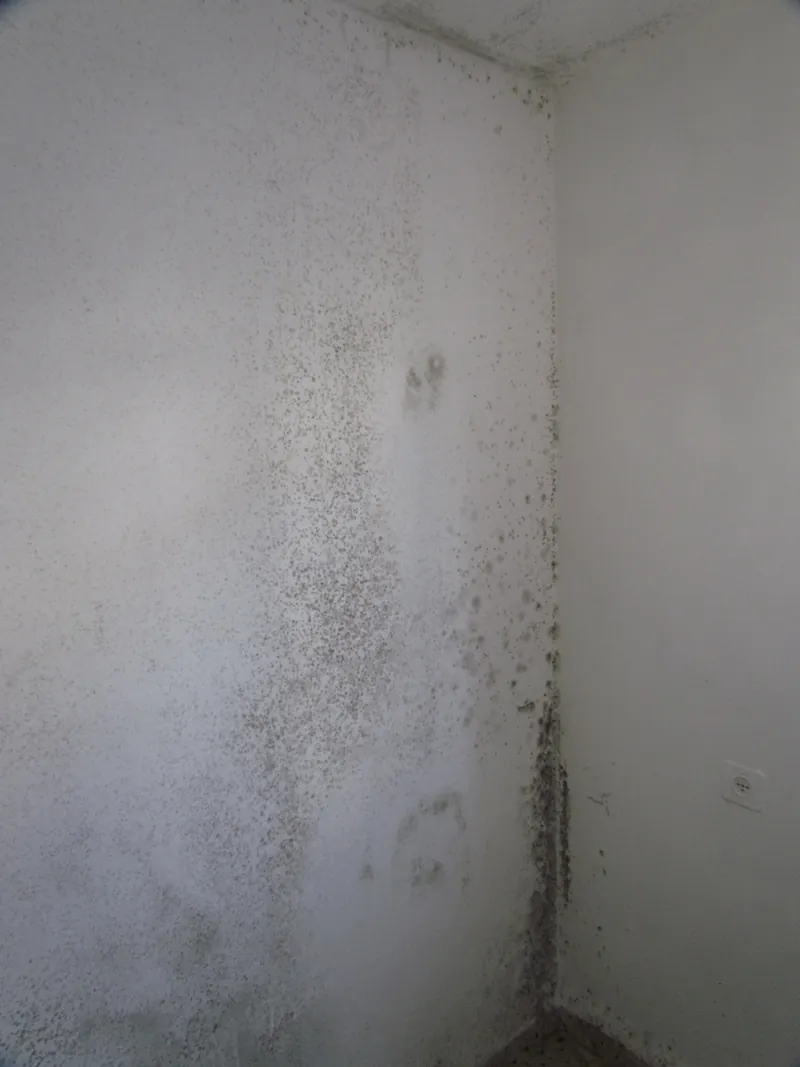

The EPA says mold needs moisture and that drying water-damaged areas within 24 to 48 hours prevents growth. For a small patch, the EPA says you can usually handle cleanup yourself if it is less than about 10 square feet. Larger or hidden growth is a different matter, and our mold after water damage guide explains the next steps.
Is the house structurally safe after water damage?
Look for signs that materials have lost their strength before you walk or sleep under them. A ceiling that bulges, a floor that feels soft or springy, and walls that are swollen or crumbling all point to materials that stayed wet. Do not stand under a sagging ceiling.
Water-soaked drywall ceilings can fail suddenly and are heavy when they do. The ceiling water damage guide covers how to relieve a bulge safely. For floors, a spongy spot means the subfloor underneath is weak, so keep weight off it and read about water-damaged floor repair.
After a major storm or flood, you may also be dealing with damage the water caused to the foundation or framing. Only a qualified inspector or engineer can say whether a building is safe to occupy. Do not rely on a quick look.
How do Houston heat and humidity change the answer?
They make staying in a damaged house riskier, and make drying slower. After Hurricane Beryl, the NWS reports that heat indices of 100 to 106 F followed the storm, while the high winds had caused widespread power outages. A house with no air conditioning can become dangerous for children, older adults and people with health conditions.
Humid air also slows drying and helps mold. The EPA says to keep indoor humidity below 60 percent, ideally between 30 and 50 percent. If you cannot cool and dry the house, staying with family or at a shelter may be safer than staying put.
Houston's own normals show how warm it stays. The NWS puts the average July high at Bush Intercontinental at 94.5 F, so a dead air conditioner is a real safety issue, not just a comfort one.
Can I live in the house while drying equipment runs?
Often you can if the water was clean and the work is limited to a few rooms, but expect noise, heat and cords across the floor. Fans and dehumidifiers run continuously while a provider dries the structure. Many people find sleeping in the same house difficult.
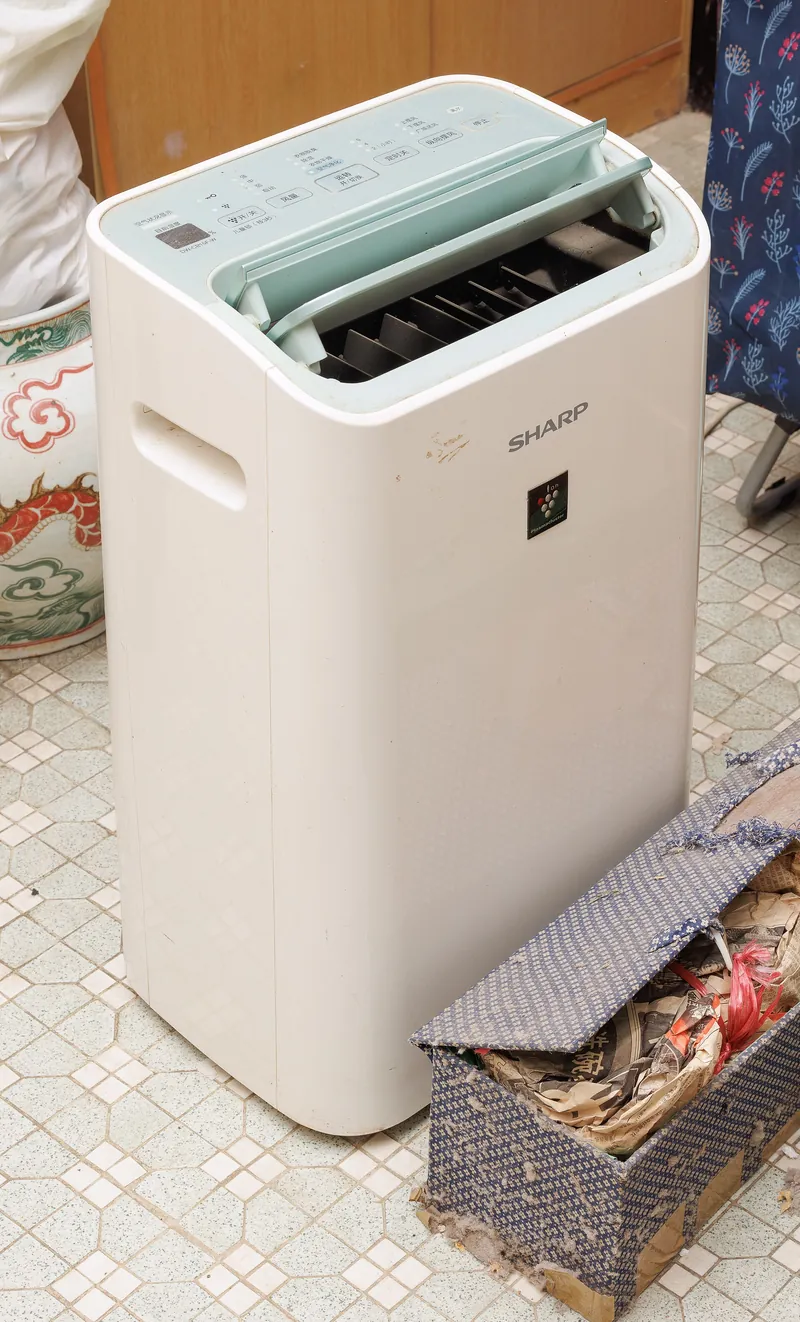

Ask the provider where equipment will be placed and which rooms you should avoid. Keep children and pets away from cords and from the intake and exhaust. Equipment draws power, so an overloaded circuit is another reason to ask which outlets are safe to use.
Providers differ in how they set up and how long they stay, so confirm directly. Our structural drying page explains what the equipment is doing.
What should I do first if I am not sure it is safe?
Make the safe choice first and work out the details second. Get everyone out of any area with water, sewage, gas or damaged wiring, then protect people before property. You can photograph from a doorway and stop the source from a safe spot.
- Get people and pets out of any room with standing water or a damaged ceiling.
- Turn off electricity only if you can reach the panel without standing in water.
- Shut off the water if the leak is a supply line. The burst pipe guide shows where.
- Open windows only if the weather allows and nothing outside is contaminated.
- Photograph the damage from a safe spot and call your insurer.
- Call a plumber, electrician or restoration provider depending on what you found.
Triple-I advises taking reasonable steps to protect the property from further damage and photographing or filming the damage. See water damage insurance claims for the paperwork side.
When can I move back in?
Move back when the source is fixed, the water and wet materials are out, readings show the structure is drying, and any electrical or structural concerns have been cleared. Ready.gov says to return home only when authorities say it is safe, which applies to flood evacuations in particular.
For a smaller job, ask the provider to show you drying readings and explain why the home is ready. Our guide on moisture meter readings explains what to look for. If you smell mold or see it spreading, treat that as a sign the job is not done.
Ask your insurer whether your policy helps with temporary housing while repairs are made. Policies differ, so read yours or ask the agent directly. Triple-I notes that flood damage is excluded under standard homeowners policies, so flood losses follow a separate path.
Who do I call if I cannot tell whether it is safe?
Call the right professional for the specific hazard. A gas smell goes to the gas utility, wiring and a wet panel go to an electrician or the electric utility, sewage and flood water go to a provider experienced with contaminated water, and a suspected structural problem goes to an inspector or engineer.
For general water damage, a restoration provider can assess the extent of the damage and the drying plan. Providers differ in what they handle, so confirm directly what each one does and what it will do before you commit. See choosing a restoration company, or browse all of our water damage guides.
Sources: Ready.gov, Floods; EPA, A Brief Guide to Mold, Moisture and Your Home; EPA, Mold Cleanup in Your Home; CDC, About Mold and Your Health; IICRC S500; NWS Houston/Galveston, Hurricane Beryl summary; NWS Houston/Galveston, IAH normals; Triple-I, Settling insurance claims after a disaster; Triple-I, Which disasters are covered.