The short version
Water behind siding is rain or leaked water trapped against the wall sheathing and framing, where it feeds mold and rot. Check caulk, flashing and brick weep holes, look for soft boards and stains inside, and get the wall measured with a moisture meter. Do not seal weep holes.
What does water behind siding mean for a Houston house?
Water behind siding means rain or leaked water has gotten past the outer wall covering and is sitting against the sheathing, framing or insulation. You often cannot see it from outside. Water behind siding stays hidden while wood slowly softens, which is why it is called hidden rot.
This site is a referral service, not a contractor, so this page explains what to look for and what to ask before you hire anyone. Siding, brick and stucco all shed most rain, but none of them is a sealed skin. Every exterior wall relies on flashing, caulk joints and a gap or barrier behind the cladding to let water out again. When one of those details fails, water collects where it cannot dry.
How does water get behind siding in Houston?
Water usually gets in at a gap, not through the siding itself. The common entry points are around windows and doors, at roof-to-wall joints, under failed caulk, behind loose or cracked boards and where hose bibs, vents and light fixtures pass through the wall. Heavy Gulf rain pushed by wind finds every one of them.
Houston gets tropical storms and hurricanes, and wind-driven rain is different from rain that falls straight down. It hits walls sideways and forces water into small openings. The hurricane water damage guide covers storm prep and what to do after one. Other sources are a roof leak that runs down inside the wall, a sprinkler head that sprays the siding every morning and a plumbing leak inside the wall cavity. The roof leak and storm water damage page explains how roof water travels into walls.

What are the weep holes in brick veneer for?
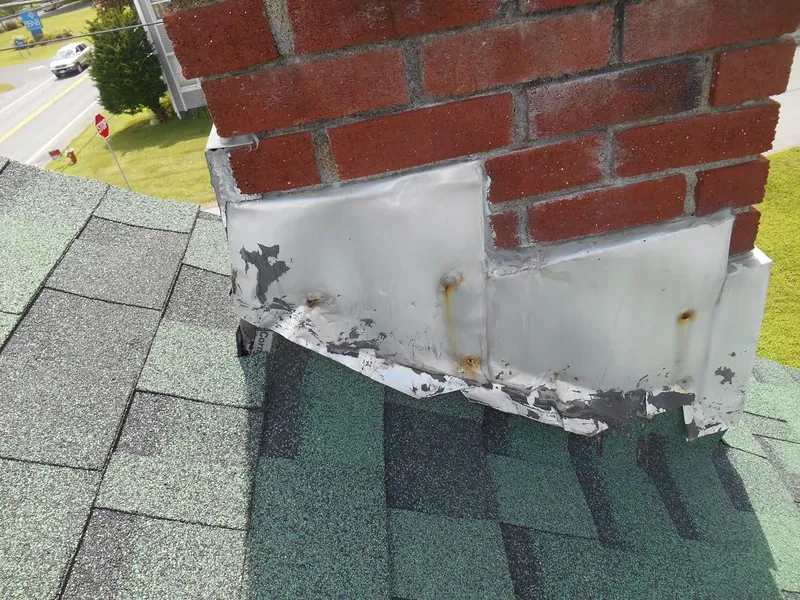
Weep holes are small gaps left in the mortar joints at the bottom of a brick veneer wall. They let water that gets behind the brick drain out instead of soaking the wall. A brick wall is meant to leak a little and drain it away, so blocked weep holes are a real problem.
If your house has a brick exterior over a wood frame, look along the bottom course of brick and above windows and doors. You may see small open gaps, spaced apart. Do not seal them with caulk or mortar, even if they look like mistakes or let insects in. Plugging them traps water in the wall. If you cannot find any, or they are packed with dirt, mulch or paint, ask a mason or home inspector to look. The home inspection page explains what inspectors check.
What are the signs of water behind siding?
The signs show up outside, inside and in the smell of the house. Look for stains, soft or swollen boards and peeling paint outside, and for stains, bubbling paint or a musty smell inside. One sign alone is a clue. Two or three together mean you should have the wall opened or measured.
| Where you see it | Sign | What it may mean |
|---|---|---|
| Outside, on the siding | Swollen, warped, soft or crumbling boards; paint that bubbles or peels in one patch | Water is reaching the board from behind or the edges are soaked |
| Outside, around openings | Dark streaks under windows, stained trim, cracked caulk | A flashing or caulk joint has failed |
| Outside, on brick | White powder on the brick, stains below weep holes, blocked weep holes | Water is moving through or sitting behind the veneer |
| Inside, on walls | Stains, bubbling paint, peeling wallpaper, a soft spot on drywall | Water has reached the inner wall. See drywall water damage repair |
| Inside, at the floor | Lifting baseboard, cupped flooring, a spongy floor edge | Water is running down the wall to the bottom plate |
| Anywhere | A musty smell near an outside wall | Wet material and possible mold. See water damage smell |
The pattern matters. Stains that grow after each rain point to an outside entry. Stains that appear with no rain, or near a bathroom or kitchen wall, point to plumbing. The signs of water damage guide covers both kinds.
How do I check for water behind siding safely?
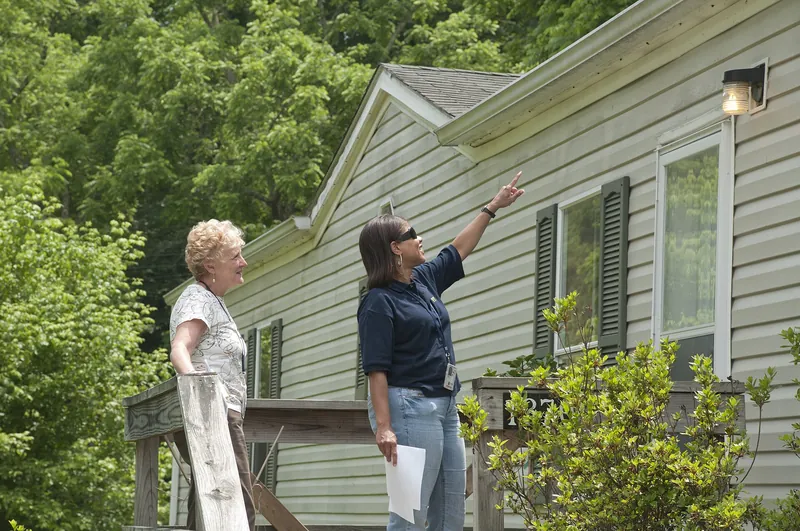
Start with a walk around the house in daylight, ideally right after a rain, and then check the inside of the same walls. Use your eyes and hands first. Never cut into a wall near wiring or pipes you cannot see, and stay off a ladder in wet or windy weather.
- Walk the outside. Look at the lowest siding boards, the corners, every window and door, and the spot where the roof meets a wall.
- Check caulk and flashing. Look for gaps, cracks and pulled-away seams at trim and at roof-to-wall joints.
- Press on suspect boards. A board that gives under light thumb pressure is wet or rotted. A screwdriver tip that sinks in confirms it.
- Look at the brick and weep holes if you have a veneer wall. Check that the openings are clear and not sealed or buried in soil.
- Check the sprinklers. Spray that hits a wall each cycle soaks the same boards again and again.
- Go inside. Look at drywall, baseboard, window sills and floors along the same outside walls, and note any smell.
- Photograph everything with the date, and write down when it rained.
- Have the wall measured if you find stains or soft spots. A provider or inspector with a moisture meter can read inside the wall without cutting it. See moisture meter readings explained.
Can water behind siding cause mold and structural rot?
Yes. The EPA says mold needs moisture to grow, and a wall cavity that stays wet gives it both moisture and food. Wood that stays wet softens and rots over time. The longer a wall stays wet, the more of it you may need to replace.
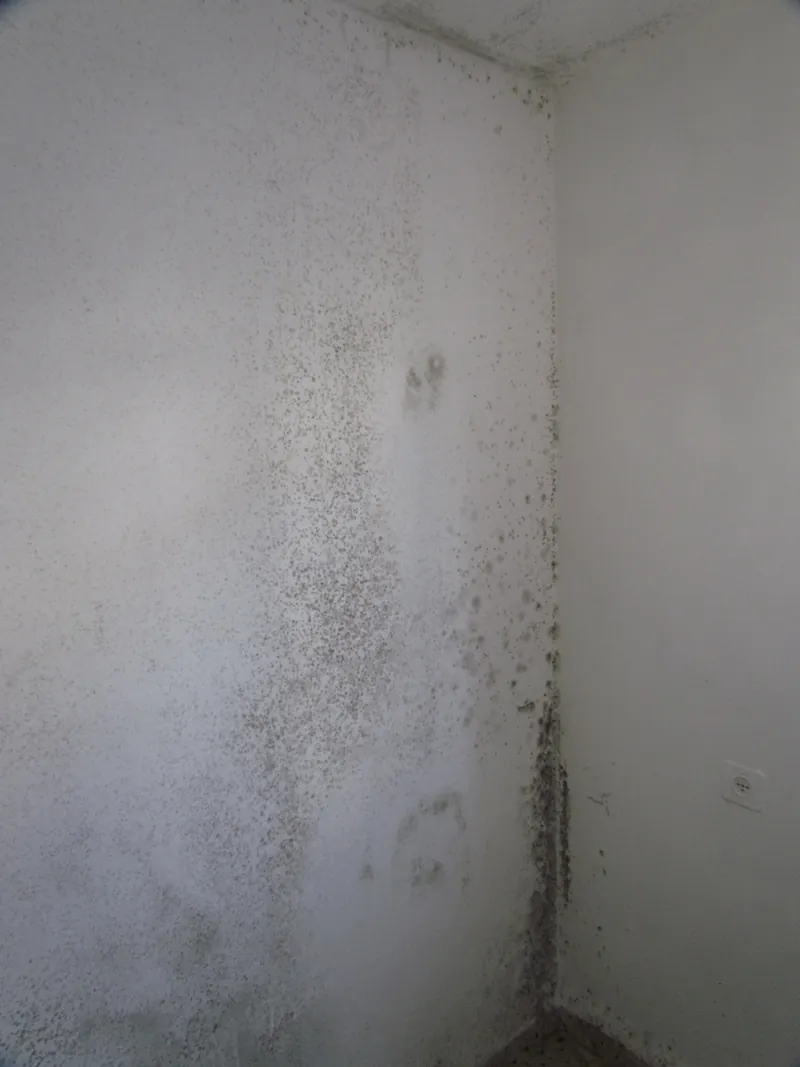

The EPA advises drying water-damaged areas and items within 24 to 48 hours to prevent mold growth. A slow leak behind siding has no clear starting day, so that window is hard to meet. The CDC says mold can cause a stuffy nose, sore throat, coughing or wheezing and burning eyes, and people with asthma or mold allergies can react more strongly. See the mold after water damage guide for what to do next. Rot also reaches the framing and subfloor, as the water-damaged floor repair page describes.
Does homeowners insurance cover water behind siding?
It depends on where the water came from. The NAIC says water damage from a home's plumbing or a leak in the roof is typically covered, while damage from ground water or rain runoff is not. Rain that slowly seeps through worn caulk or siding is often treated as a maintenance issue.
Triple-I says standard policies do not cover damage due to lack of maintenance or mold. Its guidance on settling claims says to contact your agent right away, take reasonable steps to protect the property, photograph the damage and keep receipts. Do not throw damaged materials out before the adjuster visits. Storm damage that opens a hole in the siding may be handled differently from a long-term seep, so ask your insurer directly how it classifies your loss. The water damage insurance claims guide and the sudden versus gradual leaks page explain the difference in more detail.
Can I repair siding damage myself?
Small, dry problems like a cracked caulk line or one loose board are often a homeowner job. The EPA says that if a moldy area is less than about 10 square feet, roughly a 3 ft by 3 ft patch, you can usually handle it yourself. Anything larger, or anything inside a wall, is better assessed first.
Fix the entry point before you repair the damage. New siding over a wet wall traps moisture, and the EPA says not to paint or caulk moldy surfaces. If a board is soft, remove it and look at the sheathing behind it. If the sheathing or framing is dark, soft or crumbling, stop and get the wall assessed. Repair of wall cavities and wet materials may fall under water damage repair, and drying a wet wall can involve structural drying.
When should I call a restoration provider?
Call when you find soft siding or sheathing, stains that keep returning, a musty smell with no visible source or wet material you cannot dry yourself. Early calls cost less in damage than late ones. A provider can measure moisture and tell you how far the wet area runs.
Providers differ in what they offer, so confirm directly whether a company handles wall moisture mapping, drying, tear-out and rebuild, or only part of that. A restoration provider dries and removes wet materials, but a siding contractor or mason usually fixes the exterior. You may need both. Ask for moisture readings and photos in writing. For help choosing, read choosing a restoration company, and browse the full set of Houston water damage guides.
Sources: EPA, Brief Guide to Mold, Moisture and Your Home; EPA, Mold Cleanup in Your Home; CDC, About Mold and Your Health; NAIC, Homeowners Insurance; Triple-I, Which disasters are covered; Triple-I, Settling claims after a disaster.